

As a supplier of telescopic boom lifts, I often get asked whether these powerful machines can be used for aerial photography. The answer is a resounding yes! In this blog post, I'll explore the feasibility, advantages, and considerations of using a telescopic boom lift for aerial photography.
Feasibility of Using a Telescopic Boom Lift for Aerial Photography
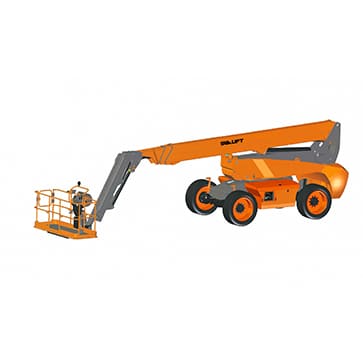
Telescopic boom lifts are designed to provide access to elevated work areas, and their capabilities make them well - suited for aerial photography. These machines are equipped with a hydraulic telescoping arm that can extend to significant heights, allowing photographers to capture unique perspectives from above.
The platform of a telescopic boom lift provides a stable base for the photographer and their equipment. Unlike some other methods of aerial photography, such as drones, a boom lift offers a physical presence at the shooting location. This can be particularly useful when precise control over the camera's position and movement is required.

Advantages of Using a Telescopic Boom Lift for Aerial Photography
1. Stability
One of the most significant advantages of using a telescopic boom lift for aerial photography is the stability it offers. The lift's base is firmly planted on the ground, and the telescoping arm is engineered to minimize vibrations. This stability is crucial for capturing sharp, clear images, especially when using long - focal - length lenses that are more sensitive to movement.
2. Flexibility
Telescopic boom lifts come in a variety of sizes and configurations. For example, our 60 ft Telescopic Boom Lift can reach a height of 60 feet, providing access to a wide range of shooting locations. The telescoping arm can also be extended and retracted, as well as articulated in some models, allowing the photographer to adjust the position of the camera precisely.
3. Safety
Safety is a top priority in any aerial photography project. Telescopic boom lifts are equipped with multiple safety features, such as guardrails on the platform, emergency stop buttons, and overload protection systems. These features ensure the safety of the photographer while working at height.
4. Equipment Compatibility
The platform of a telescopic boom lift can accommodate a variety of photographic equipment, including tripods, cameras, and lighting gear. Photographers can set up their equipment securely on the platform and make adjustments as needed during the shoot.
Considerations When Using a Telescopic Boom Lift for Aerial Photography
1. Location and Terrain
Before using a telescopic boom lift for aerial photography, it's essential to consider the location and terrain of the shooting site. The lift requires a stable and level surface to operate safely. Soft or uneven ground may require additional stabilization measures, such as outriggers or mats.
2. Weather Conditions
Weather conditions can have a significant impact on the safety and effectiveness of using a telescopic boom lift for aerial photography. High winds, rain, or snow can make it dangerous to operate the lift. It's important to check the weather forecast before the shoot and avoid using the lift in adverse conditions.
3. Permits and Regulations
Depending on the location of the shoot, permits may be required to use a telescopic boom lift. It's the responsibility of the photographer or the project organizer to obtain the necessary permits and comply with all local regulations.
4. Training
Operating a telescopic boom lift requires specialized training. The photographer or the operator must be familiar with the lift's controls, safety features, and operating procedures. Our company provides training for operators to ensure the safe and efficient use of our Telescopic Boom Manlift.
Applications of Telescopic Boom Lifts in Aerial Photography
1. Landscape Photography
Telescopic boom lifts are ideal for landscape photography, allowing photographers to capture stunning views from elevated positions. Whether it's a city skyline, a mountain range, or a coastal landscape, the lift provides a unique perspective that can enhance the visual impact of the images.
2. Event Photography
For large - scale events such as concerts, sports games, or festivals, a telescopic boom lift can be used to capture overhead shots of the crowd and the action. This type of photography can add a dynamic element to event coverage.
3. Construction Photography
In the construction industry, aerial photography is often used to document the progress of a project. A Telescopic Boom Lift for Construction can be used to capture high - resolution images of the construction site from different angles, providing valuable insights for project managers and stakeholders.
Conclusion
In conclusion, a telescopic boom lift can be an excellent tool for aerial photography. Its stability, flexibility, safety features, and equipment compatibility make it a viable alternative to other methods of aerial photography. However, it's important to consider the location, weather conditions, permits, and training requirements before using a boom lift for a photography project.
If you're interested in using a telescopic boom lift for your aerial photography needs, we're here to help. Our company offers a wide range of telescopic boom lifts to suit different requirements. Contact us today to discuss your project and explore the options available for procurement and rental. We look forward to working with you to capture amazing aerial images.
References
- Manufacturer's manuals for telescopic boom lifts
- Industry standards for aerial work platforms
- Safety guidelines for aerial photography using boom lifts