

Hey there! As a supplier of crawler spider cranes, I often get asked about the weight of these nifty machines. It's a crucial factor, especially when you're thinking about transportation, setup, and where you can use them. So, let's dive right into it and figure out what the weight of a crawler spider crane really means.
First off, what exactly is a crawler spider crane? Well, it's a type of crane that's known for its versatility and compact size. These cranes have a unique design that allows them to work in tight spaces, making them perfect for indoor construction, maintenance work, and even some outdoor jobs where space is limited. They're like the ninjas of the crane world - small, agile, and super useful.
Now, the weight of a crawler spider crane can vary a whole lot depending on a bunch of factors. One of the biggest factors is the size and capacity of the crane. Smaller cranes, like the Small Spider Crane, are generally lighter. They're designed for jobs that don't require a huge lifting capacity, so they don't need to be as heavy. These little guys can weigh anywhere from a few hundred kilograms to maybe a couple of tons.
On the other hand, larger crawler spider cranes, such as those with a higher lifting capacity, are going to be heavier. They need to be more substantial to handle the extra weight they're lifting. For example, a mid - sized crawler spider crane that can lift a few tons might weigh around 5 to 10 tons. And if you're looking at a really large, heavy - duty crawler spider crane, it could weigh upwards of 20 tons or more.
Another thing that affects the weight is the materials used in the construction of the crane. Modern cranes are often made with a combination of high - strength steel and lightweight alloys. This helps to keep the weight down while still maintaining the necessary strength and durability. For instance, some parts of the crane, like the boom, might be made from a special type of steel that's both strong and relatively light.
The weight also matters when it comes to transportation. If you're moving a crawler spider crane from one job site to another, you need to make sure you have the right vehicle and equipment to handle it. A lighter crane is much easier to transport. You might be able to use a smaller truck or trailer, which can save you money on transportation costs. But if you have a heavy crane, you'll need a larger, more powerful vehicle, and you might even need to get special permits for transportation, especially if you're crossing state or national borders.
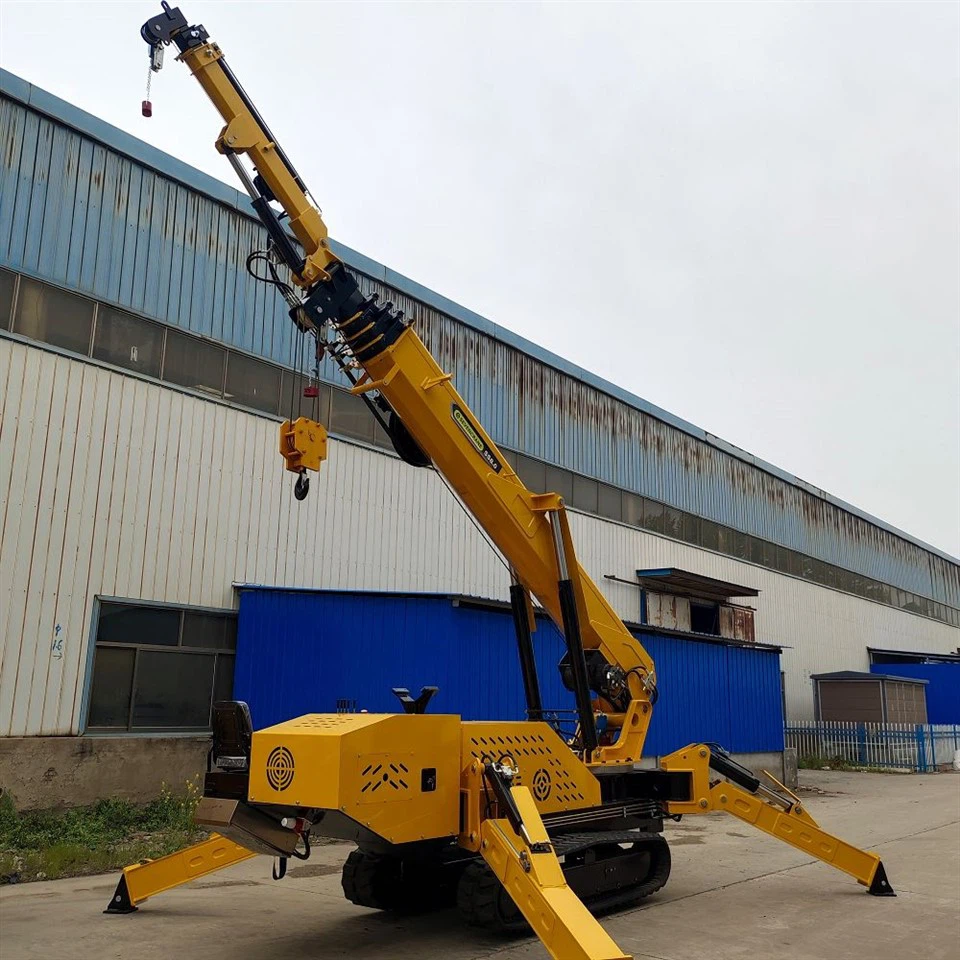

When it comes to setup, the weight of the crane plays a role too. A heavier crane might require more effort and equipment to set up. You might need to use additional stabilizers or supports to make sure it's safe and stable. On the other hand, a lighter crane can be set up more quickly and easily, which can save you time on the job site.
Let's talk about the different types of crawler spider cranes and their typical weights. The Mini Tracked Crawler Crane is one of the lightest options. These cranes are designed for small - scale jobs, like installing windows in a small building or doing some light maintenance work. They usually weigh between 500 kilograms and 2 tons. Their light weight makes them easy to maneuver and transport, and they can be set up in a jiffy.
The Mobile Spider Crane is a bit more heavy - duty. These cranes are often used for larger construction projects, where they need to lift heavier loads. They can weigh anywhere from 3 to 15 tons, depending on their size and capacity. They're still relatively compact compared to traditional cranes, but they have the power to handle some serious lifting.
So, why does all this matter to you? Well, if you're in the market for a crawler spider crane, understanding the weight is essential. You need to make sure that the crane you choose is suitable for your job requirements. If you're working in a small, confined space, a lighter crane might be the way to go. But if you need to lift heavy loads, you'll probably want a heavier, more powerful crane.
Also, think about the transportation and setup costs. A lighter crane can save you money in these areas, but it might not have the lifting capacity you need. It's all about finding the right balance.
As a supplier, I've seen firsthand how important it is for customers to choose the right crane. That's why I'm always here to help. If you have any questions about the weight or any other aspect of crawler spider cranes, don't hesitate to reach out. We can work together to figure out which crane is the best fit for your project.
Whether you're a construction company looking to add a new crane to your fleet or a contractor working on a specific job, we've got the expertise and the range of crawler spider cranes to meet your needs. So, if you're interested in learning more or want to start the purchasing process, just get in touch. We'll be happy to have a chat and help you make the right decision.
In conclusion, the weight of a crawler spider crane is a key factor that can impact your project in many ways. From transportation and setup to the actual lifting capacity, it's something you need to consider carefully. With our wide range of cranes, we're confident that we can find the perfect one for you. So, if you're ready to take the next step, let's talk!
References
- Crane Industry Handbook: A comprehensive guide on different types of cranes and their specifications.
- Construction Equipment Magazine: Articles on the latest trends and features in crawler spider cranes.