

Hey there! As a supplier of spider cranes, I've had my fair share of experiences and insights into how these nifty machines perform in different conditions. Today, I want to dive into what happens to a spider crane when the mercury rises and we're dealing with hot weather.

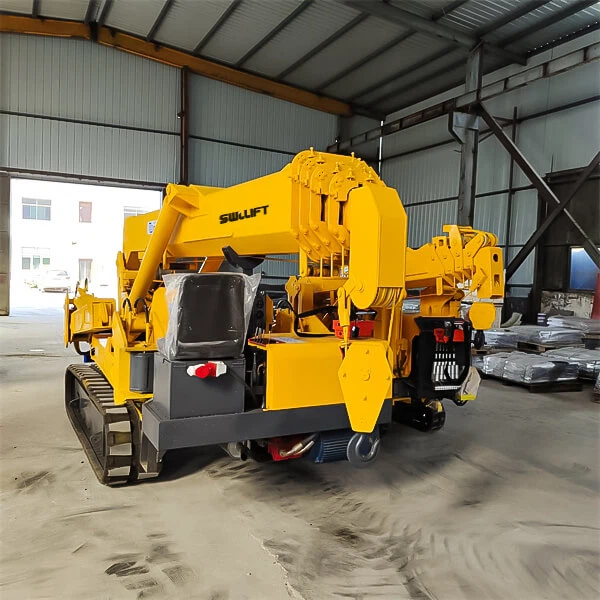
First off, let's talk about what a spider crane is for those who might not be in the know. A spider crane is a compact and highly versatile lifting machine. It gets its name from its distinctive outrigger design that resembles a spider's legs. These cranes are known for their ability to access tight spaces and lift heavy loads with precision. You can check out more about our Spider Crane Factory to see where these amazing machines are made.
Now, when it comes to hot weather, there are a few key areas where the performance of a spider crane can be affected. One of the most significant aspects is the engine. Just like our cars, spider crane engines work harder in the heat. The high temperatures can cause the engine to overheat if it's not properly cooled. This is because the cooling system has to work overtime to dissipate the excess heat generated by the engine. If the engine overheats, it can lead to a decrease in power output, which means the crane might not be able to lift as heavy loads as it normally would.
Another area that's impacted is the hydraulic system. Hydraulic fluids are crucial for the operation of a spider crane. They transfer power within the system, allowing the crane to move its boom, lift loads, and perform other functions. In hot weather, the viscosity of the hydraulic fluid can change. Viscosity is basically how thick or thin a fluid is. When it gets hot, the hydraulic fluid can become thinner. This can lead to leaks in the hydraulic system, as the seals might not be able to contain the thinner fluid as effectively. And if there are leaks, the hydraulic system won't work as efficiently, which can affect the overall performance of the crane.
The electrical components of a spider crane are also at risk in hot weather. Electrical systems generate heat when they're in use, and the high ambient temperatures can exacerbate this problem. Overheating electrical components can cause malfunctions, which can range from minor glitches to major breakdowns. For example, sensors might give inaccurate readings, or the control panel could stop working properly. This can make it difficult for the operator to control the crane safely and effectively.
The tires of a spider crane are another consideration. In hot weather, the air inside the tires expands. If the tires are already inflated to the recommended pressure, this expansion can cause the tire pressure to increase beyond the safe limit. Overinflated tires can wear out more quickly and are more prone to blowouts. And if a tire blows out while the crane is in operation, it can be extremely dangerous.
But it's not all doom and gloom. There are ways to mitigate these issues and ensure that your spider crane performs well even in hot weather. Regular maintenance is key. Before the hot season hits, it's a good idea to have the crane thoroughly inspected. Check the engine coolant levels and make sure the cooling system is in good working order. Replace the hydraulic fluid if it's due for a change, and inspect the seals for any signs of wear or damage.
It's also important to monitor the crane's temperature during operation. Most modern spider cranes are equipped with temperature sensors that can alert the operator if the engine or hydraulic system is getting too hot. If the temperature starts to rise, the operator can take a break and let the crane cool down. This can prevent overheating and potential damage to the crane.
Proper tire maintenance is also crucial. Check the tire pressure regularly, especially on hot days. If the pressure is too high, release some air to bring it back to the recommended level. And make sure the tires have enough tread depth to provide good traction.
Now, let's talk about some of the specific models we offer and how they perform in hot weather. Our Large Spider Crane is a beast. It's designed to handle heavy loads in a variety of conditions, including hot weather. With its powerful engine and robust cooling system, it can maintain its performance even when the temperatures soar. The hydraulic system is also built to withstand the challenges of high heat, with high-quality seals and fluids that are designed to resist viscosity changes.
Our 10 Ton Spider Crane is another great option. It's a popular choice for many construction and industrial applications. This crane is engineered to be reliable and efficient, even in extreme weather conditions. The electrical components are protected by a thermal management system that helps to keep them cool, reducing the risk of malfunctions.
In conclusion, while hot weather can pose some challenges to the performance of a spider crane, with proper maintenance and care, these challenges can be overcome. At our company, we're committed to providing high-quality spider cranes that are built to last and perform well in all conditions. If you're in the market for a spider crane, whether it's a large one or a 10-ton model, we'd love to have a chat with you. Feel free to reach out to us to discuss your specific needs and see how our spider cranes can meet them.
References
- Crane Operator's Manuals
- Industry Reports on Heavy Equipment Performance in Extreme Weather