

Vibration levels in electric forklifts during operation are a critical aspect that directly impacts the performance, safety, and operator comfort. As a leading supplier of electric forklifts, we understand the significance of these vibration levels and their implications for various industrial applications. In this blog, we will delve into the factors affecting vibration levels, the importance of controlling them, and how our range of electric forklifts is designed to minimize these vibrations.
Factors Affecting Vibration Levels in Electric Forklifts
Several factors contribute to the vibration levels experienced during the operation of an electric forklift. These factors can be broadly categorized into mechanical, operational, and environmental aspects.
Mechanical Factors
- Motor Design and Operation: The electric motor is the heart of an electric forklift. The design and quality of the motor can significantly influence vibration levels. A well - designed motor with balanced windings and proper alignment will produce less vibration. For example, our Long Service Time Mini Electric Forklift is equipped with a high - precision electric motor that is engineered to minimize vibrations during start - up, acceleration, and deceleration.
- Drive System: The drive system, including the gears, axles, and wheels, also plays a crucial role in vibration generation. Worn - out gears or misaligned axles can cause uneven movement and increased vibrations. Our forklifts are built with high - quality drive components that are regularly inspected and maintained during the manufacturing process to ensure smooth operation and reduced vibrations.
- Lift Mechanism: The lift mechanism, consisting of hydraulic cylinders, chains, and masts, can generate vibrations when lifting and lowering loads. A well - designed lift mechanism with proper lubrication and smooth - moving parts can help reduce these vibrations. Our Heavy Duty Electric Forklift features an advanced lift mechanism that is designed to handle heavy loads with minimal vibration.
Operational Factors
- Load Handling: The way an operator handles the load can have a significant impact on vibration levels. Sudden or jerky movements when lifting, lowering, or moving the load can cause excessive vibrations. Proper training of operators on smooth load - handling techniques is essential to minimize these vibrations. Our company provides comprehensive training programs for operators to ensure they can operate our forklifts efficiently and with reduced vibration levels.
- Speed and Acceleration: Higher speeds and rapid acceleration or deceleration can increase vibration levels. Operators should be trained to operate the forklift at appropriate speeds and use smooth acceleration and deceleration techniques. Our forklifts are equipped with speed control systems that help operators maintain a consistent and safe speed, thereby reducing vibrations.
Environmental Factors
- Floor Conditions: The surface on which the forklift operates can greatly affect vibration levels. Uneven, rough, or damaged floors can cause the forklift to vibrate more. Our Easy Operation All Terrain Electric Forklift is designed to handle various floor conditions, including rough terrains, with reduced vibrations. It has advanced suspension systems that absorb shocks and vibrations caused by uneven surfaces.
- Temperature and Humidity: Extreme temperature and humidity levels can also impact the performance of the forklift and increase vibration levels. For example, high temperatures can cause components to expand, leading to misalignment and increased vibrations. Our forklifts are designed to operate in a wide range of environmental conditions, and we provide maintenance guidelines to ensure optimal performance in different temperatures and humidity levels.
Importance of Controlling Vibration Levels
Controlling vibration levels in electric forklifts is essential for several reasons, including operator health, equipment longevity, and operational efficiency.
Operator Health
- Vibration - Induced Health Issues: Prolonged exposure to high - level vibrations can cause various health problems for forklift operators, such as hand - arm vibration syndrome (HAVS) and whole - body vibration (WBV) - related disorders. HAVS can lead to numbness, tingling, and reduced grip strength in the hands, while WBV can cause back pain, fatigue, and other musculoskeletal disorders. By minimizing vibration levels, we can protect the health and well - being of our operators.
- Operator Comfort: Reduced vibration levels also improve operator comfort, which can lead to increased productivity and reduced operator fatigue. A comfortable operator is more likely to focus on the task at hand and operate the forklift safely and efficiently.
Equipment Longevity
- Component Wear and Tear: High - level vibrations can cause increased wear and tear on forklift components, such as motors, gears, and bearings. This can lead to premature failure of these components and increased maintenance costs. By controlling vibration levels, we can extend the lifespan of our forklifts and reduce the frequency of component replacements.
- Structural Integrity: Excessive vibrations can also affect the structural integrity of the forklift. Over time, vibrations can cause cracks or looseness in the frame and other structural components, which can compromise the safety of the forklift. By minimizing vibrations, we can ensure the long - term structural integrity of our forklifts.
Operational Efficiency
- Load Stability: Reduced vibrations help maintain load stability during transportation. This is especially important when handling delicate or high - value loads. A stable load reduces the risk of damage and improves the overall efficiency of the material handling process.
- Precision in Operation: Lower vibration levels allow for more precise control of the forklift, which is crucial in applications where accurate positioning of loads is required. This can improve the productivity of the warehouse or manufacturing facility.
How Our Electric Forklifts Minimize Vibration Levels
At our company, we take several measures to minimize vibration levels in our electric forklifts.

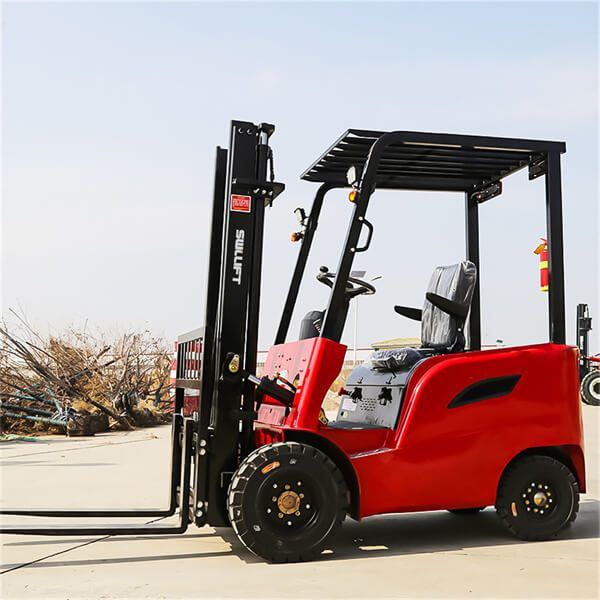
Advanced Design and Engineering
- Vibration - Dampening Materials: We use vibration - dampening materials in the construction of our forklifts, such as rubber mounts and shock absorbers. These materials help absorb and dissipate vibrations, reducing the amount of vibration transmitted to the operator and other components.
- Optimized Component Placement: Our engineers carefully design the layout of the forklift components to minimize vibration transfer. By placing heavy components in strategic locations and using proper isolation techniques, we can reduce the overall vibration levels of the forklift.
Quality Manufacturing and Testing
- Rigorous Quality Control: We have a strict quality control process in place during the manufacturing of our forklifts. Each component is inspected and tested to ensure it meets our high standards for vibration performance. This includes testing the motor, drive system, and lift mechanism for smooth operation and minimal vibration.
- Calibration and Tuning: After assembly, our forklifts undergo calibration and tuning processes to optimize their performance and reduce vibration levels. This includes adjusting the speed control, lift mechanism, and other systems to ensure they operate smoothly and with minimal vibration.
Contact Us for Procurement and Consultation
If you are interested in our electric forklifts and want to learn more about how our products can meet your specific requirements in terms of vibration levels and other performance factors, we invite you to contact us. Our team of experts is ready to provide you with detailed information, product demonstrations, and customized solutions. Whether you need a Long Service Time Mini Electric Forklift for a small warehouse or a Heavy Duty Electric Forklift for heavy - duty industrial applications, we have the right product for you.
We believe that by choosing our electric forklifts, you can benefit from reduced vibration levels, improved operator comfort, longer equipment lifespan, and enhanced operational efficiency. Don't hesitate to reach out to us for procurement discussions and to find the best electric forklift solution for your business.
References
- ISO 5349 - 1:2001, Mechanical vibration — Measurement and evaluation of human exposure to hand - transmitted vibration — Part 1: General requirements.
- ISO 2631 - 1:1997, Mechanical vibration and shock — Evaluation of human exposure to whole - body vibration — Part 1: General requirements.
- Occupational Safety and Health Administration (OSHA) guidelines on vibration exposure in the workplace.