

When I started working as an electric forklift supplier a few years back, I’ll be honest—most of my customers were still asking about lead-acid batteries like they were the only option. I get it, that’s what everyone used for decades. But after seeing how many headaches those old batteries caused, I’ve been pushing lithium-ion batteries hard, and the feedback from operators and fleet managers has been night and day. If you’re weighing your options for upgrading your forklifts, let me break down why making the switch to lithium-ion is one of the best calls you can make for your warehouse or job site.
First up is the biggest pain point with lead-acid batteries: charging and downtime. I’ve had clients tell me they’d schedule three 15-minute charging breaks a shift just to keep their forklift running, and then a full 8-hour charge overnight on top of that. With lithium-ion, that’s basically a thing of the past. Most of the lithium-ion forklifts we sell can handle opportunity charging—like topping up for 10 or 15 minutes during a lunch break or when you’re switching loads—instead of needing to go back to the charge station for hours. That means no more sending your operator home early because the battery’s dead, no more rearranging your work schedule to fit around charging times, and way less wasted productivity. I even had a customer who runs a busy distribution center tell me they cut their total downtime per week by over 12 hours just by switching one of their core forklifts—imagine what that adds up to over a month or a year.
Then there’s battery lifespan, and this is where lithium-ion really crushes lead-acid. A typical lead-acid battery for a forklift lasts maybe 1,500 charge cycles before it starts losing power, and even with proper maintenance, you’re looking at having to replace it every 3 to 5 years. Lithium-ion? We’re talking 3,000 to 5,000 cycles, and that’s with way less wear and tear. You don’t have to do the routine top-ups with distilled water, you don’t have to clean the terminals every few months, and there’s no risk of overcharging damaging the battery. From my side as a supplier, I can tell you that our lithium-ion forklifts come with way longer battery warranties—some even cover the battery for 5 years or 10,000 hours—so you’re not sinking extra cash into replacements every few years. We have different models for different needs, too. If you’re working in a tight warehouse space, our Long Service Time Mini Electric Forklift is a great pick, and the lithium-ion battery is a huge part of why it can keep up with long shifts without dying.

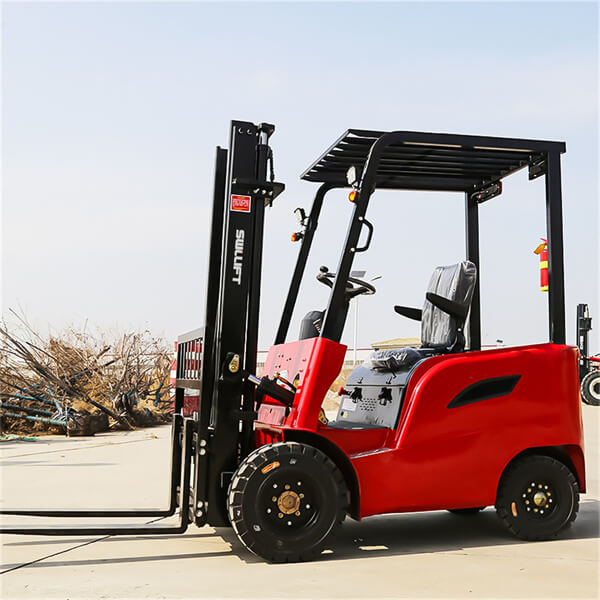
Let’s talk about performance, because that’s what operators care about most in the cab. I’ve seen operators grumble about lead-acid forklifts slowing down as the battery gets low, like they’re dragging a full load of bricks around. Lithium-ion batteries maintain consistent voltage throughout their entire charge, so your forklift has the same power to lift heavy loads, speed around the warehouse, and handle steep ramps from the first load of the day to the last. No more that slow lurch when the battery’s at 20%, no more hesitating when you need to get that pallet of goods to the loading dock fast. For example, our Heavy Duty Electric Forklift, which is built for lifting super heavy loads, uses lithium-ion to make sure it has the torque you need even when you’re carrying 10,000+ pounds. It’s not just about raw power, either—operators say the response is smoother, less jolty, which is better for the goods you’re moving and easier on their bodies.
Safety is another big one that I don’t think gets talked about enough. Lead-acid batteries have a lot of downsides when it comes to safety: they produce hydrogen gas while charging, which is flammable, so you have to have special ventilation in your charge room. They’re heavy, messy if they spill acid, and if you overcharge them, they can leak or even burst. Lithium-ion batteries are sealed, so no acid spills, no toxic fumes, no need for that dedicated charge area with ventilation. All our lithium-ion forklifts, like the Ce Certificated Electric Sit Down Forklift, have built-in battery management systems that monitor temperature, voltage, and current 24/7, so if something’s off, it shuts down safely before any issues can happen. I’ve had a few clients mention that they saved money on modifying their old charge rooms because they don’t need them anymore—now they can use that space for storage or extra forklift parking instead.
Maintenance costs, let’s be real, add up fast with lead-acid. You have to buy distilled water regularly, pay workers to check and clean terminals, maybe even hire a tech to fix leaks or corrosion. With lithium-ion, there’s almost no maintenance at all. You just plug it in when you need to, and that’s it. No more hauling heavy, dead batteries to the dump when they’re at the end of their life—lithium-ion batteries are recyclable, so you can get rid of them the right way without adding to waste. A customer of mine who runs a small manufacturing shop calculated that they spent about $1,200 a year on lead-acid battery maintenance, and now that number is less than $100 for occasional checks. That’s money they can put back into growing their business, not keeping their forklifts running.
Versatility is a big plus too, depending on where you’re working. A lot of people think electric forklifts are only for indoor warehouses, but with lithium-ion, they can handle outdoor use too. Our Electric Outdoor Forklift is built for uneven ground, loading docks, and even light construction sites, and the lithium-ion battery stands up to temperature changes way better than lead-acid—no weird power drops when it’s hot in the summer or cold in the winter. If you need something that can go over grass or rough terrain, our Top Choice for Electric All Terrain Forklift uses lithium-ion to keep power steady when you’re not on smooth concrete. I’ve had clients use lithium-ion forklifts to move pallets around their warehouse during the day and then take them outside to load onto trucks at night, no need to switch batteries or worry about the battery dying mid-job.
Wait, let’s not forget about battery weight. Lead-acid batteries are super heavy—like, a 48V lead-acid battery for a forklift can weigh over 1,000 pounds. That extra weight might sound like a good thing for stability, but it means your forklift is carrying more dead weight when it’s not even in use, which cuts into efficiency and increases fuel (well, electricity) use. Lithium-ion batteries are half the weight, so your forklift is lighter overall, which means it uses less energy to move around, and you can carry actual cargo instead of extra battery mass. That might sound small, but over a year, that adds up to lower electricity bills and less strain on your forklift’s components.
Now, I know what some of you are thinking upfront: “Lithium-ion is more expensive to buy, right?” Yeah, at first, the upfront cost is a bit higher than lead-acid. But when you do the math over 5 or 10 years, it’s totally worth it. Let’s say a lead-acid battery costs $1,500 and lasts 3 years—over 10 years, that’s $5,000 in battery replacements alone. A lithium-ion battery might cost $4,000, but it lasts 8 years, so that’s only $4,000. Add in the downtime savings, lower maintenance costs, and less electricity use, and you’re actually coming out ahead. Plus, most of our customers tell me that the longer lifespan means they don’t have to worry about replacing their battery mid-way through the forklift’s life, so they get way more value out of the whole machine.
I’ve been in this game long enough to see trends come and go, and lithium-ion is here to stay. It’s not just a hype thing—it solves real problems that fleet managers and operators deal with every single day, from wasted time charging to high maintenance bills to safety risks. Whether you’re a small warehouse needing a mini forklift, a big distribution center with heavy loads, or a job site that needs an outdoor forklift, we’ve got lithium-ion models that fit.
If you’re tired of dealing with lead-acid batteries holding you back, or you’re looking to upgrade your entire forklift fleet, get in touch with our team to chat through what you need. We can help you pick the right model—like our Ce Certificated Electric Sit Down Forklift if you need a reliable indoor option, or our Heavy Duty Electric Forklift for those big, tough jobs. No pressure, just straight talk about what works for your business. Stop letting old battery tech slow you down—lithium-ion is the way to go for more productivity, less hassle, and better long-term savings.
References
- National Renewable Energy Laboratory. (2022). Lithium-Ion Battery Applications in Material Handling Equipment. U.S. Department of Energy.
- Material Handling Industry Association. (2023). Forklift Battery Comparison: Lead-Acid vs. Lithium-Ion. MHIA Technical Report Series.
- Global Electric Forklift Market Report. (2024). Lithium-Ion Adoption Trends and Performance Metrics. Market Research Future.
- Occupational Safety and Health Administration. (2021). Safety Guidelines for Battery-Powered Industrial Trucks. OSHA Publication 3727-19N.