

In the realm of construction, the choice of equipment can significantly impact the efficiency, safety, and success of a project. One such piece of machinery that has gained considerable attention in recent years is the 12 - ton spider crane. As a trusted supplier of 12 - ton spider cranes, I am often asked whether these cranes can be effectively used for building construction. In this blog, we will delve into the capabilities, advantages, and considerations of using a 12 - ton spider crane in construction projects.
I. Overview of the 12 - Ton Spider Crane
A 12 - ton spider crane is a specialized type of crane known for its unique design and impressive lifting ability. Unlike traditional tower cranes, spider cranes have a compact and lightweight structure, with multiple extendable outriggers that resemble the legs of a spider. This design allows them to operate in confined spaces and unstable terrains, making them suitable for a variety of construction environments.
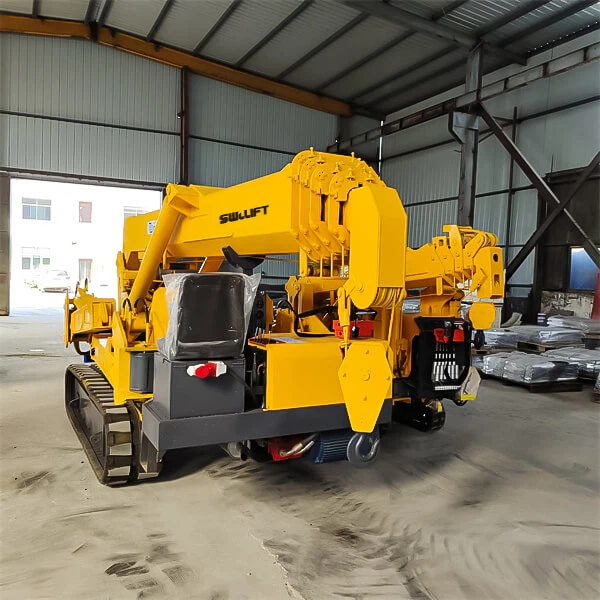

II. Advantages of Using a 12 - Ton Spider Crane in Building Construction
A. Maneuverability
One of the most significant advantages of a 12 - ton spider crane is its excellent maneuverability. In building construction, sites are often crowded with various materials, equipment, and workers. Traditional cranes may face difficulties in navigating through these tight spaces. However, the compact size and flexible outriggers of a spider crane enable it to access hard - to - reach areas. For example, it can easily move through narrow corridors, between buildings, or even indoors. This is particularly useful when constructing high - rise buildings with complex layouts or when renovating existing structures where space is limited. You can also check out our Mini Crawler Spider Crane for even more compact and maneuverable options.
B. Lifting Capacity
With a 12 - ton lifting capacity, the spider crane can handle a wide range of construction materials. It can lift heavy steel beams, pre - cast concrete elements, and large HVAC units. This makes it suitable for both small - scale and medium - scale building construction projects. For instance, in the construction of a multi - story residential building, a 12 - ton spider crane can efficiently lift and place the necessary building components, ensuring a smooth construction process. If you need a crane with a slightly lower capacity, our 2 Ton Spider Crane might be a good option for lighter tasks.
C. Low Ground Pressure
The outriggers of the spider crane distribute its weight over a large area, resulting in low ground pressure. This is crucial when working on sensitive or unstable ground, such as soft soil or floors in an existing building. For example, when constructing a building on a site with poor soil conditions, a traditional crane may cause the ground to sink or become damaged, leading to safety hazards. In contrast, a 12 - ton spider crane can operate safely without causing significant damage to the ground.
D. Flexibility
Spider cranes can be equipped with various attachments, such as winches, grabs, and forks. This flexibility allows them to perform a variety of tasks in building construction, including lifting, moving, and placing different types of materials. For instance, a winch attachment can be used for precise lifting and lowering of materials, while a grab attachment can be used for handling loose materials.
III. Considerations When Using a 12 - Ton Spider Crane in Building Construction
A. Site Conditions
Before using a 12 - ton spider crane, a thorough assessment of the site conditions is necessary. Factors such as the topography, ground bearing capacity, and available space need to be considered. For example, if the ground is too soft or uneven, the outriggers may need to be extended to a greater length or additional support may be required. In addition, the height and reach of the crane need to be compatible with the requirements of the construction project. Our 10 Ton Spider Crane may be more suitable for some sites with specific height and space limitations.
B. Operator Training
Operating a 12 - ton spider crane requires specialized skills and knowledge. The operator needs to be trained in crane operation, safety procedures, and maintenance. A well - trained operator can ensure the safe and efficient use of the crane, reducing the risk of accidents and downtime. It is also important to follow all relevant safety regulations and standards when operating the crane.
C. Maintenance and Inspections
Regular maintenance and inspections are essential to keep the 12 - ton spider crane in good working condition. This includes checking the mechanical components, hydraulic systems, and electrical systems. Any signs of wear and tear, such as leaks or damaged parts, should be addressed promptly. By maintaining the crane properly, its lifespan can be extended, and the risk of breakdowns during construction can be minimized.
IV. Conclusion
In conclusion, a 12 - ton spider crane can be a valuable asset in building construction. Its maneuverability, lifting capacity, low ground pressure, and flexibility make it suitable for a variety of construction tasks, especially in confined spaces. However, it is important to consider the site conditions, ensure proper operator training, and carry out regular maintenance and inspections.
If you are involved in a building construction project and are considering the use of a 12 - ton spider crane, or if you are interested in our other products such as the Mini Spider Crane, we invite you to contact us for a detailed discussion. Our team of experts is ready to provide you with professional advice and support to help you make the best decision for your project. We are also a Spider Crane Factory with high - quality manufacturing capabilities, ensuring that you get a reliable and efficient crane.
References
- Construction Equipment Handbook, various editions
- Safety Guidelines for Crane Operation in Building Construction, published by relevant construction safety organizations
- Technical Specifications of Spider Cranes, provided by crane manufacturers