

Reading the load chart of a vertical mast lift is a crucial skill for anyone involved in operating, maintaining, or purchasing these machines. As a supplier of vertical mast lifts, I understand the importance of providing clear and accurate information about load capacities to ensure the safety and efficiency of our customers' operations. In this blog post, I will guide you through the process of reading a load chart for a vertical mast lift, explaining key components and considerations along the way.
Understanding the Basics of a Load Chart
A load chart is a graphical or tabular representation of a vertical mast lift's safe working load limits under various conditions. It provides essential information about the maximum weight the lift can safely carry at different heights and outreach positions. The load chart is typically provided by the manufacturer and is specific to each model of vertical mast lift.
The load chart usually includes the following elements:
- Load Capacity: This is the maximum weight the lift can safely carry. It is typically measured in kilograms or pounds.
- Lift Height: The height to which the lift can safely raise the load. This is usually measured in meters or feet.
- Outreach: The horizontal distance from the base of the lift to the center of the load. Outreach is an important factor because it affects the stability of the lift.
- Angle of Operation: Some load charts may also include information about the safe operating angles of the lift.
Reading the Load Chart
Let's take a closer look at how to read a load chart. Here's a step-by-step guide:
Step 1: Identify the Model and Serial Number
The first step is to locate the model and serial number of the vertical mast lift. This information is usually found on a nameplate attached to the lift. Make sure you are using the correct load chart for your specific model, as load capacities can vary between different models and manufacturers.
Step 2: Determine the Lift Height
Next, determine the height to which you need to lift the load. This will help you find the appropriate section of the load chart. The lift height is usually measured from the ground to the platform of the lift.

Step 3: Consider the Outreach
If your application requires the lift to reach out horizontally, you need to consider the outreach. Outreach is the distance from the base of the lift to the center of the load. Find the column or row on the load chart that corresponds to the desired outreach.
Step 4: Find the Load Capacity
Once you have determined the lift height and outreach, locate the intersection of these values on the load chart. The number at this intersection represents the maximum load capacity for that particular combination of height and outreach.
Step 5: Check for Additional Conditions
Some load charts may include additional conditions or limitations. For example, there may be restrictions on the type of load (e.g., evenly distributed loads only), the use of attachments, or the wind speed. Make sure you read and understand all the notes and warnings on the load chart before operating the lift.
Example of Reading a Load Chart
Let's say you have a Ce Certificated Vertical Mast Lift and you need to lift a load to a height of 6 meters with an outreach of 1.5 meters. Here's how you would use the load chart:
- Locate the section of the load chart that corresponds to a lift height of 6 meters.
- Find the column or row that represents an outreach of 1.5 meters.
- At the intersection of these values, you find that the maximum load capacity is 200 kilograms.
This means that you can safely lift a load of up to 200 kilograms to a height of 6 meters with an outreach of 1.5 meters using this particular vertical mast lift.
Factors Affecting Load Capacity
It's important to note that the load capacity specified on the load chart is based on ideal conditions. In real-world applications, several factors can affect the actual load capacity of a vertical mast lift. These factors include:
- Terrain: Uneven or soft terrain can reduce the stability of the lift and lower the load capacity.
- Wind: Strong winds can create additional forces on the lift, making it less stable and reducing the safe load capacity.
- Load Distribution: An unevenly distributed load can cause the lift to become unbalanced, increasing the risk of tipping over.
- Attachments: The use of attachments such as platforms, baskets, or forks can affect the load capacity of the lift. Make sure you consult the manufacturer's guidelines when using attachments.
Importance of Reading the Load Chart Correctly
Reading the load chart correctly is essential for ensuring the safety of operators and the integrity of the vertical mast lift. Overloading a lift can lead to serious accidents, including tipping over, structural failure, and injury to personnel. By following the load chart and operating the lift within its specified limits, you can minimize the risk of accidents and ensure the smooth and efficient operation of your equipment.
Different Types of Vertical Mast Lifts and Their Load Charts
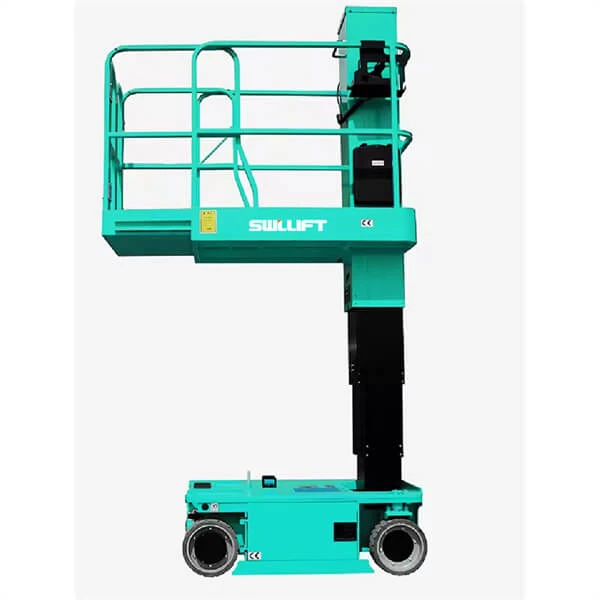
As a supplier, we offer a variety of vertical mast lifts, each with its own unique load chart. For example, our Single Mast Lift is designed for light-duty applications and typically has a lower load capacity compared to our larger models. On the other hand, our Swllift Electric Mast Boom Lift offers greater reach and higher load capacities, making it suitable for more demanding tasks.
When choosing a vertical mast lift, it's important to select a model that can handle the specific load requirements of your application. Make sure you carefully review the load chart of each model to ensure it meets your needs.
Conclusion
Reading the load chart of a vertical mast lift is a fundamental skill that every operator and purchaser should master. By understanding the key components of the load chart and following the guidelines provided, you can ensure the safe and efficient operation of your vertical mast lift.

If you have any questions about our vertical mast lifts or need assistance in selecting the right model for your application, please don't hesitate to contact us. We are here to help you make an informed decision and provide you with the best equipment for your needs.
References
- Manufacturer's manuals and documentation for vertical mast lifts.
- Industry standards and regulations related to the operation of aerial work platforms.