

Operating a truck mounted crane in high - altitude areas presents a unique set of challenges and requires careful consideration of various factors. As a truck mounted crane supplier, I understand the importance of providing clear guidance to ensure safe and efficient operations in these demanding environments.
Pre - operation Preparations
1. Equipment Inspection
Before taking the truck mounted crane to a high - altitude area, a thorough inspection is crucial. Check the mechanical components of the crane, such as the boom, winch, and hydraulic system. High - altitude areas often have lower air pressure and colder temperatures, which can affect the performance of these components. For instance, the hydraulic fluid may thicken in cold temperatures, reducing the efficiency of the hydraulic system. Ensure that all hoses are in good condition, without any signs of cracks or leaks.
Inspect the electrical system as well. High - altitude areas may experience more intense sunlight and extreme weather conditions, which can damage electrical wiring. Make sure all connections are secure and insulated. Our Electric Truck Mounted Crane is designed with high - quality electrical components to withstand these harsh conditions.

2. Operator Training
Operators should receive specialized training for high - altitude operations. They need to understand the effects of high - altitude conditions on the crane's performance. For example, the reduced air density at high altitudes can affect the engine's power output. Operators should be trained to adjust the crane's operation accordingly. They should also be familiar with the safety procedures specific to high - altitude areas, such as dealing with sudden weather changes and limited visibility.
3. Weather Monitoring
Keep a close eye on the weather forecast before and during the operation. High - altitude areas are prone to sudden and severe weather changes, including strong winds, snowstorms, and thunderstorms. Strong winds can significantly affect the stability of the crane, especially when the boom is extended. If the wind speed exceeds the safe operating limit, the operation should be stopped immediately.
On - site Setup
1. Ground Preparation
The ground in high - altitude areas may be uneven, rocky, or covered with snow. It is essential to prepare a stable foundation for the truck mounted crane. Use outriggers to level the crane and increase its stability. Make sure the outriggers are firmly planted on solid ground. If the ground is soft or uneven, use mats or cribbing to distribute the weight of the crane evenly.
2. Boom Extension
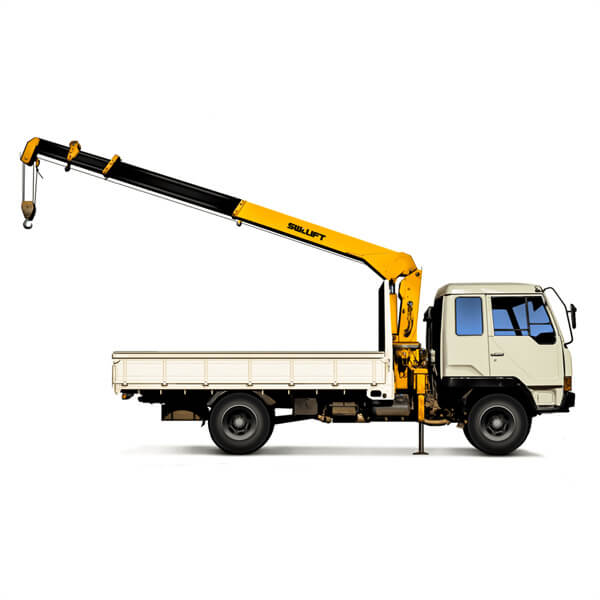
When extending the boom, operators need to be extra cautious. The reduced air density at high altitudes can make the boom more prone to vibrations. Extend the boom slowly and steadily, and monitor the crane's stability continuously. Do not exceed the crane's rated capacity, as the reduced engine power at high altitudes may affect the crane's lifting ability. Our Truck Mounted Crane 10 Ton and 1 Ton Truck Mounted Crane are designed with advanced control systems to ensure safe boom extension.
3. Load Handling
When handling loads in high - altitude areas, consider the reduced air density and the potential for strong winds. Secure the load properly to prevent it from swinging or shifting during the lifting process. Use appropriate rigging equipment and follow the correct lifting procedures. Be aware of the wind direction and adjust the lifting operation accordingly.
Safety Considerations
1. Personal Protective Equipment (PPE)
Operators and other personnel on site should wear appropriate PPE. This includes safety helmets, safety glasses, gloves, and high - visibility clothing. In addition, in cold high - altitude areas, warm and waterproof clothing is necessary to prevent hypothermia.
2. Emergency Response Plan
Develop an emergency response plan for high - altitude operations. This plan should include procedures for dealing with equipment failures, accidents, and sudden weather changes. Have emergency communication devices on site, such as radios or satellite phones, to ensure that help can be called in case of an emergency.
3. Regular Maintenance
Regular maintenance is essential to keep the truck mounted crane in good condition during high - altitude operations. Check the crane's components after each use and perform routine maintenance tasks, such as lubrication, filter replacement, and tire pressure checks.
Performance Optimization
1. Engine Tuning
The engine of the truck mounted crane may need to be tuned for high - altitude operations. The reduced air density at high altitudes means that the engine may not receive enough oxygen for optimal combustion. A professional mechanic can adjust the engine's fuel injection system and ignition timing to improve its performance in high - altitude conditions.
2. Hydraulic System Adjustment
As mentioned earlier, the hydraulic fluid may thicken in cold high - altitude areas. Use a hydraulic fluid with a suitable viscosity for cold temperatures. In addition, adjust the hydraulic system's pressure and flow rate to ensure smooth operation.
3. Crane Monitoring
Use monitoring systems to keep track of the crane's performance during high - altitude operations. These systems can provide real - time data on factors such as boom angle, load weight, and engine temperature. By analyzing this data, operators can make informed decisions and optimize the crane's operation.
Conclusion
Operating a truck mounted crane in high - altitude areas requires careful planning, proper training, and strict adherence to safety procedures. As a truck mounted crane supplier, we are committed to providing high - quality equipment and comprehensive support to our customers. Our cranes are designed to meet the challenges of high - altitude operations, but it is essential for operators to follow the guidelines outlined in this blog.
If you are interested in purchasing a truck mounted crane for high - altitude operations or have any questions about our products, please feel free to contact us. We look forward to discussing your specific needs and providing you with the best solutions.
References
- "Crane Operation Manuals" - Manufacturer's official documents.
- "High - Altitude Engineering Handbook" - A collection of engineering knowledge related to high - altitude operations.
- "Safety Standards for Crane Operations in Harsh Environments" - Industry - recognized safety guidelines.