

As a supplier of 12 - ton spider cranes, I've witnessed firsthand the importance of efficiency in the operations of these remarkable machines. A 12 - ton spider crane is a powerful and versatile piece of equipment, commonly used in construction, maintenance, and various industrial applications. In this blog, I'll share some practical tips on how to improve the efficiency of a 12 - ton spider crane, drawing from my experience in the industry.
1. Regular Maintenance and Inspection
One of the fundamental steps to ensure the efficient operation of a 12 - ton spider crane is regular maintenance and inspection. Just like any other heavy - duty machinery, a spider crane requires proper care to perform at its best.
- Scheduled Maintenance: Establish a comprehensive maintenance schedule that includes tasks such as oil changes, filter replacements, and lubrication of moving parts. Regularly check the hydraulic system, which is crucial for the crane's lifting and maneuvering capabilities. Hydraulic fluid levels should be maintained, and any signs of leaks should be addressed immediately. For example, if the hydraulic fluid is dirty or low, it can cause the crane to operate sluggishly, reducing its overall efficiency.
- Inspection of Structural Components: Conduct thorough inspections of the crane's structural components, including the boom, outriggers, and chassis. Look for signs of wear, cracks, or deformation. A damaged structural part can not only compromise the safety of the crane but also affect its performance. For instance, a bent boom may not extend or retract smoothly, leading to delays in lifting operations.
2. Operator Training and Competence
The efficiency of a 12 - ton spider crane is highly dependent on the skills and knowledge of its operator. Well - trained operators can make the most of the crane's capabilities and avoid costly mistakes.
- Comprehensive Training Programs: Provide operators with comprehensive training programs that cover all aspects of the spider crane's operation, including safety procedures, load handling, and maintenance. Training should be hands - on, allowing operators to practice different maneuvers in a controlled environment. For example, training on proper boom positioning can significantly reduce the time required to lift and place loads accurately.
- Continuous Skill Development: Encourage operators to participate in continuous skill development programs. The crane industry is constantly evolving, with new technologies and techniques emerging regularly. By staying updated, operators can learn how to optimize the crane's performance and adapt to different job site conditions. For instance, learning about the latest load - sensing technologies can help operators make more informed decisions when lifting heavy loads.
3. Load Planning and Management
Efficient load planning and management are essential for maximizing the productivity of a 12 - ton spider crane.
- Accurate Load Calculation: Before starting any lifting operation, accurately calculate the weight and center of gravity of the load. This information is crucial for determining the appropriate boom length, angle, and outrigger setup. Overloading the crane can not only damage the equipment but also pose a serious safety risk. For example, if a load is miscalculated and exceeds the crane's capacity, it may cause the crane to tip over.
- Load Handling Strategies: Develop effective load handling strategies to minimize the time and effort required to lift and place loads. For instance, grouping similar loads together and planning the lifting sequence can reduce the number of crane movements. Using appropriate lifting accessories, such as slings and spreader bars, can also improve the efficiency of load handling.
4. Utilization of Advanced Technologies
The use of advanced technologies can significantly enhance the efficiency of a 12 - ton spider crane.
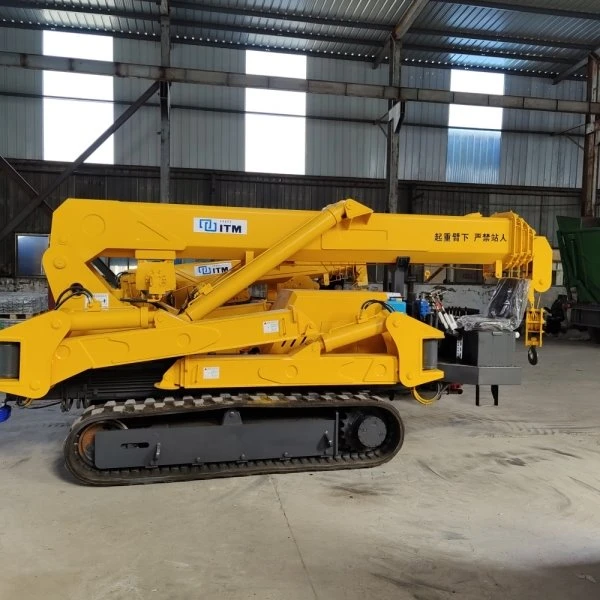

- Telematics Systems: Install telematics systems on the crane to monitor its performance, location, and maintenance needs in real - time. Telematics systems can provide valuable data on factors such as engine hours, fuel consumption, and hydraulic pressure. This information can be used to optimize the crane's operation, schedule maintenance proactively, and identify potential issues before they become major problems. For example, if the telematics system detects a sudden increase in fuel consumption, it may indicate a problem with the engine or hydraulic system.
- Automation and Remote Control: Some modern 12 - ton spider cranes are equipped with automation and remote - control features. These technologies can improve the precision and speed of lifting operations, especially in confined spaces or hazardous environments. For instance, remote - control capabilities allow operators to control the crane from a safe distance, reducing the risk of accidents and increasing efficiency.
5. Job Site Optimization
The layout and organization of the job site can have a significant impact on the efficiency of a 12 - ton spider crane.
- Proper Site Preparation: Ensure that the job site is properly prepared before the crane arrives. This includes clearing the area of obstacles, leveling the ground, and providing adequate space for the crane to maneuver. A well - prepared site can reduce the time required to set up the crane and improve its overall performance. For example, if the ground is uneven, it may cause the crane to become unstable, leading to delays in lifting operations.
- Crane Placement: Carefully choose the location for the crane on the job site. The crane should be positioned in a way that allows for easy access to the loads and minimizes the need for excessive boom movements. Consider factors such as the distance to the load, the height of the lifting point, and the available space for outrigger deployment. For instance, placing the crane closer to the load can reduce the boom length required, which in turn can increase the crane's lifting capacity and efficiency.
6. Fleet Management and Coordination
If you have a fleet of 12 - ton spider cranes, effective fleet management and coordination are crucial for improving overall efficiency.
- Fleet Scheduling: Develop a comprehensive fleet - scheduling system to ensure that the cranes are utilized to their maximum capacity. Consider factors such as the location of the job sites, the availability of operators, and the type of work to be performed. By optimizing the scheduling, you can reduce idle time and increase the number of jobs that can be completed within a given period. For example, if two job sites are located close to each other, scheduling the same crane to work at both sites can save time and transportation costs.
- Communication and Collaboration: Establish effective communication channels between the crane operators, supervisors, and other stakeholders on the job site. Clear communication is essential for coordinating lifting operations, sharing information about load requirements, and addressing any issues that may arise. For instance, if an operator encounters a problem during a lifting operation, they should be able to quickly communicate with the supervisor to find a solution.
Conclusion
Improving the efficiency of a 12 - ton spider crane requires a holistic approach that encompasses regular maintenance, operator training, load planning, advanced technologies, job site optimization, and fleet management. By implementing these strategies, you can not only increase the productivity of the crane but also reduce operating costs and improve safety.
If you're in the market for a high - quality 12 - ton spider crane or looking to enhance the efficiency of your existing equipment, we're here to help. As a leading supplier of spider cranes, we offer a wide range of products, including the Crawler Spider Crane and 1 Ton Spider Crane. Our team of experts can provide you with personalized solutions and support to meet your specific needs. To learn more about our products and services, or to start a procurement discussion, please feel free to reach out. You can also explore more about Spider Crane Manufacturers to understand the industry better.
References
- Crane Safety Handbook, National Crane Manufacturers Association
- Lifting Equipment Engineering and Assessment Association (LEEA) Guidelines
- Operator's Manuals of 12 - ton Spider Cranes