

Hey there! As a supplier of 12 ton spider cranes, I often get asked about how to adjust the boom angle of these powerful machines. Today, I'm gonna break it down for you in a simple and easy - to - understand way.
First off, let's talk a bit about what a 12 ton spider crane is. It's a super - versatile piece of equipment. With its unique spider - like outriggers, it can be set up in tight spaces and handle heavy loads of up to 12 tons. Whether you're working on a construction site, doing maintenance work on a high - rise building, or handling materials in a factory, this crane is a real workhorse. You can check out our 12 Ton Spider Crane on our website to learn more about its features and capabilities.
Now, why is adjusting the boom angle so important? Well, the boom angle determines how far the crane can reach and how much weight it can lift at a given distance. If the boom angle is too low, the crane might not be able to reach the desired spot. On the other hand, if it's too high, the crane could become unstable, which is a huge safety risk.
Before you start adjusting the boom angle, there are a few things you need to do. First, make sure the crane is properly set up. The outriggers should be fully extended and firmly planted on a stable surface. Check the ground conditions to ensure there are no soft spots or slopes that could cause the crane to tip over. Also, make sure all the safety devices on the crane are in working order.
The next step is to familiarize yourself with the crane's controls. Most 12 ton spider cranes have a control panel where you can operate the boom. There are usually levers or joysticks that allow you to move the boom up and down, as well as extend or retract it. Take a few minutes to understand how these controls work before you start making any adjustments.
Let's start with the process of adjusting the boom angle. To raise the boom, you'll need to use the appropriate control on the panel. Gently push the lever or joystick in the direction that corresponds to raising the boom. As you do this, you'll see the boom start to lift. Keep a close eye on the angle indicator on the crane. This indicator shows you the current angle of the boom. You want to raise the boom slowly and steadily, making small adjustments as you go.
If you need to lower the boom, it's the opposite process. Push the lever or joystick in the direction that corresponds to lowering the boom. Again, do this slowly to avoid any sudden movements that could cause the load to swing or the crane to become unstable.
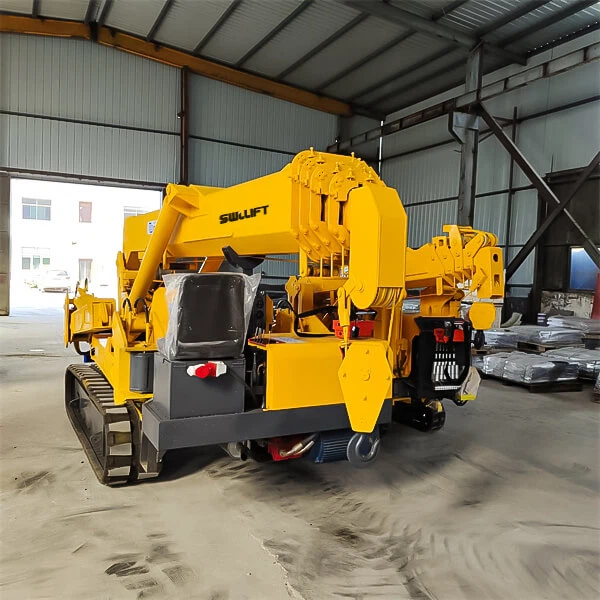

When you're adjusting the boom angle, it's also important to consider the load. If you're carrying a heavy load, you might need to adjust the angle more carefully. A heavy load can increase the stress on the crane, especially if the boom angle is not set correctly. Make sure you're aware of the crane's load capacity chart, which shows you the maximum weight the crane can lift at different boom angles.
Here's a little tip. If you're not sure what the correct boom angle should be for a particular job, you can use the crane's load moment indicator (LMI). The LMI takes into account the weight of the load, the boom length, and the boom angle to determine if the crane is operating within its safe limits. It's a really useful tool that can help you avoid overloading the crane.
Another thing to keep in mind is that different jobs might require different boom angles. For example, if you're working in a confined space, you might need to keep the boom at a lower angle to avoid hitting any obstacles. On the other hand, if you're trying to reach a high - up spot, you'll need to raise the boom to a higher angle.
Let's say you're working on a job where you need to place a heavy piece of equipment on a rooftop. You'll first need to set up the crane in a suitable location. Then, you'll start by raising the boom to a low angle and extending it towards the building. As you get closer to the rooftop, you can gradually increase the boom angle to reach the desired height. Make sure you're communicating with the people on the rooftop to ensure a smooth and safe operation.
We also offer other types of spider cranes, like the 10 Ton Spider Crane and the 1 Ton Spider Crane. These cranes have similar boom - adjusting processes, but the load capacities and operating characteristics are different. So, depending on your specific needs, you can choose the right crane for the job.
Safety is always the top priority when it comes to operating a 12 ton spider crane. After you've adjusted the boom angle and are ready to start lifting the load, double - check everything one more time. Make sure the boom is at the correct angle, the load is properly secured, and all the safety devices are working.
In conclusion, adjusting the boom angle of a 12 ton spider crane is a crucial part of operating the crane safely and effectively. By following the steps I've outlined here, you can ensure that you're making the right adjustments for each job. If you have any questions or need more information about our 12 ton spider cranes, don't hesitate to reach out. We're here to help you make the most of your crane and get the job done right. Whether you're a seasoned professional or new to using spider cranes, we can provide you with the support and guidance you need. So, if you're in the market for a 12 ton spider crane or have any inquiries about our products, feel free to contact us. We're looking forward to working with you on your next project.
References:
- Crane Operator's Manuals
- Industry Safety Guidelines for Spider Cranes