

When it comes to the world of construction, maintenance, and various industrial applications, telescopic boom lifts are indispensable pieces of equipment. They offer the ability to reach great heights and access hard - to - reach areas with ease. As a telescopic boom lift supplier, I often get asked the question: "How much does a telescopic boom lift cost?" In this blog, I'll delve into the factors that influence the cost of telescopic boom lifts and give you a general idea of the price range.
Factors Affecting the Cost of Telescopic Boom Lifts
1. Height Capacity
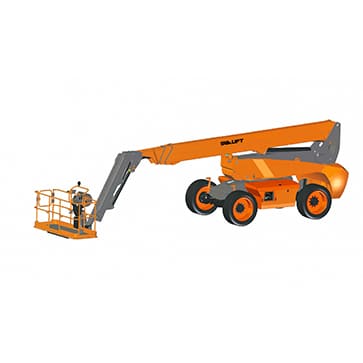
One of the most significant factors that determine the cost of a telescopic boom lift is its height capacity. Generally, the higher the maximum working height, the more expensive the lift will be. A telescopic boom lift with a lower height capacity, such as 30 - 40 feet, is relatively more affordable compared to a lift that can reach 80 feet or more. For instance, a basic 30 - foot telescopic boom lift might be suitable for small - scale maintenance jobs in a warehouse, and it can be purchased at a relatively lower price. On the other hand, a 60 ft Telescopic Boom Lift, which is often used in large construction sites or for taller building maintenance, will have a higher price tag due to the more advanced engineering and stronger materials required to support the increased height and load at that elevation.
2. Load Capacity
The load capacity of a telescopic boom lift also plays a crucial role in its cost. Load capacity refers to the maximum weight that the lift can safely carry, including the operator and any tools or materials. If you need a lift to carry heavy equipment or multiple workers simultaneously, you'll likely need a model with a higher load capacity. These high - capacity lifts are built with more robust components, such as stronger hydraulic systems and sturdier booms, which increases their manufacturing cost. A lift with a small load capacity, suitable for a single operator and a few light tools, will be less expensive than one designed to handle large and heavy loads.
3. Power Source
Telescopic boom lifts can be powered by different sources, including diesel, gasoline, electric, and hybrid. Each power source has its own advantages and disadvantages, and they also affect the cost of the equipment. Diesel - powered telescopic boom lifts are often preferred for outdoor, heavy - duty applications because of their high power and long - running capabilities. However, they tend to be more expensive upfront due to the complexity of the diesel engine and the need for additional exhaust and fuel systems. Electric - powered lifts, on the other hand, are quieter, produce zero emissions, and are great for indoor use. They are generally more affordable in terms of initial purchase price, but may require a more significant investment in charging infrastructure if you plan to use them frequently. Hybrid models, which combine the benefits of both diesel and electric power, are usually the most expensive due to their advanced technology.
4. Brand and Quality
The brand of the telescopic boom lift and the quality of its construction also have a notable impact on the cost. Well - known brands with a reputation for reliability and high - performance often charge a premium for their products. These brands invest heavily in research and development, use high - quality materials, and have rigorous quality control processes. As a result, their lifts are more likely to require less maintenance and have a longer lifespan. Cheaper, lesser - known brands may offer lower upfront costs, but you may face more frequent breakdowns, higher maintenance costs, and potentially shorter equipment life. So, when considering the cost, it's important to weigh the initial price against the long - term value.
5. Additional Features
Many telescopic boom lifts come with a variety of additional features that can add to the cost. These features might include features like a rotating platform, which allows the operator to easily adjust the position of the working area without having to move the entire lift. Proportional controls offer more precise movement, enhancing operator safety and efficiency. Other advanced features can include self - leveling capabilities on uneven terrain, or enhanced safety systems such as tilt sensors and load limiters. Each of these features is designed to improve the functionality and safety of the lift, but they also increase the manufacturing cost and, consequently, the purchase price.
Price Range of Telescopic Boom Lifts
Entry - Level Telescopic Boom Lifts
Entry - level telescopic boom lifts with a lower height capacity (around 30 - 40 feet) and basic features can cost anywhere from $20,000 to $50,000. These lifts are often suitable for small businesses, contractors working on small projects, or for maintenance crews in warehouses. They usually have a relatively simple design and a lower load capacity, making them a more budget - friendly option.
Mid - Range Telescopic Boom Lifts
Mid - range telescopic boom lifts, which typically have a height capacity of 40 - 60 feet and come with more advanced features, can cost between $50,000 and $100,000. These lifts are more commonly used in medium - sized construction projects, industrial maintenance, and facilities management. They often offer better performance, higher load capacity, and more sophisticated control systems compared to entry - level models.
High - End Telescopic Boom Lifts
High - end telescopic boom lifts with a height capacity of 60 feet or more, along with a full range of advanced features such as high - precision controls, large load capacities, and advanced safety systems, can cost upwards of $100,000. These lifts are designed for large - scale construction projects, high - rise building maintenance, and other demanding applications where reliability and performance are crucial.
Buying vs. Renting
When considering a telescopic boom lift, you also need to decide whether to buy or rent. Renting a telescopic boom lift can be a cost - effective option if you only need the equipment for a short - term project. Rental costs typically depend on the duration of the rental, the type of lift, and the location. On average, you can expect to pay anywhere from a few hundred dollars to a couple of thousand dollars per week for a telescopic boom lift rental.
Buying a telescopic boom lift, on the other hand, is a more significant investment but can be more cost - effective in the long run if you have frequent and ongoing use for the equipment. When you own a lift, you don't have to worry about rental fees, and you have the flexibility to use the lift whenever you need it. However, you'll also need to consider the costs of maintenance, storage, and insurance.

Contact Us for Purchase and Consultation
If you're in the market for a telescopic boom lift, whether it's a Telescopic Boom Manlift or a Telescopic Aerial Platform, we're here to help. Our team of experts can provide you with detailed information about our products, help you choose the right lift for your specific needs, and offer competitive pricing. Contact us today to discuss your requirements and start the purchasing process. We look forward to working with you to find the perfect telescopic boom lift solution for your business.
References
- Construction Equipment Guide: Information on construction equipment pricing and features.
- Lift and Access Magazine: Industry - specific insights on telescopic boom lifts and their cost - related factors.