

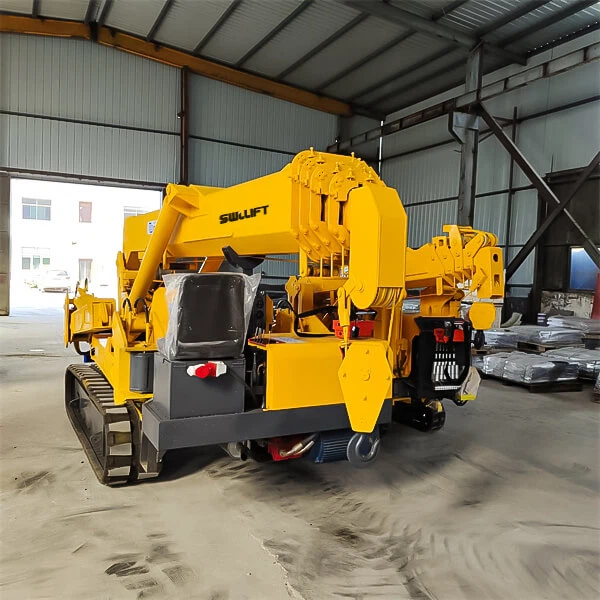
As a supplier of 8 ton spider cranes, I've witnessed firsthand how these remarkable machines perform in diverse climates. The performance of an 8 ton spider crane can be significantly influenced by different environmental conditions, from scorching deserts to freezing polar regions. In this blog, I'll explore how these cranes adapt and perform in various climates, and how understanding these factors can help you make the most of your equipment.
Hot and Dry Climates
In hot and dry climates, such as deserts, the performance of an 8 ton spider crane is primarily affected by high temperatures and low humidity. High temperatures can cause the crane's engine to overheat, reducing its power output and efficiency. To combat this, modern spider cranes are equipped with advanced cooling systems that can dissipate heat more effectively. These systems typically include larger radiators, more powerful fans, and improved coolant circulation.
Low humidity can also pose challenges, as it can cause the crane's lubricants to dry out more quickly. This can lead to increased friction and wear on the crane's moving parts, reducing its lifespan and reliability. To address this issue, it's important to use high-quality lubricants that are specifically designed for use in hot and dry conditions. These lubricants have a higher viscosity and better heat resistance, which helps to protect the crane's components from damage.
Another factor to consider in hot and dry climates is the presence of dust and sand. These particles can enter the crane's engine, hydraulic system, and other components, causing abrasion and damage. To prevent this, spider cranes are often equipped with air filters and dust shields that can trap these particles before they can cause harm. Regular maintenance and cleaning of these filters and shields is essential to ensure their effectiveness.
Cold and Wet Climates
In cold and wet climates, such as polar regions and rainy areas, the performance of an 8 ton spider crane is mainly affected by low temperatures and high humidity. Low temperatures can cause the crane's engine oil and hydraulic fluid to thicken, making it more difficult for the crane to operate smoothly. To address this issue, it's important to use low-viscosity oils and fluids that are specifically designed for use in cold conditions. These oils and fluids have a lower pour point and better cold flow properties, which helps to ensure that the crane can start and operate properly in cold weather.
High humidity can also cause corrosion and rust on the crane's metal components. To prevent this, spider cranes are often coated with a protective layer of paint or other corrosion-resistant material. Regular inspections and maintenance of the crane's coatings are essential to ensure their effectiveness.
In addition, snow and ice can accumulate on the crane's tracks, wheels, and other moving parts, making it more difficult for the crane to move and operate. To address this issue, spider cranes are often equipped with snowplows and ice scrapers that can remove these obstacles. It's also important to use proper traction devices, such as snow chains or tracks, to ensure that the crane can maintain its grip on slippery surfaces.

Tropical Climates
In tropical climates, such as rainforests and coastal areas, the performance of an 8 ton spider crane is affected by high temperatures, high humidity, and heavy rainfall. High temperatures and humidity can cause the crane's electrical components to malfunction, as the moisture can cause short circuits and other electrical problems. To prevent this, spider cranes are often equipped with waterproof enclosures and sealed connectors that can protect the electrical components from moisture.
Heavy rainfall can also cause flooding and water damage to the crane. To prevent this, it's important to park the crane on a high and dry location and to use proper drainage systems to remove water from the work area. In addition, the crane's components should be inspected regularly for signs of water damage, such as rust and corrosion.
Another factor to consider in tropical climates is the presence of insects and other pests. These pests can damage the crane's components, such as the insulation on the electrical wires and the seals on the hydraulic system. To prevent this, spider cranes are often treated with insecticides and other pest control measures.
High Altitude Climates
In high altitude climates, such as mountains and plateaus, the performance of an 8 ton spider crane is affected by low air pressure and low oxygen levels. Low air pressure can cause the crane's engine to lose power, as the reduced air density makes it more difficult for the engine to intake enough air for combustion. To address this issue, spider cranes are often equipped with turbochargers or superchargers that can increase the air pressure and oxygen levels in the engine.
Low oxygen levels can also cause the crane's engine to run inefficiently, as the reduced oxygen supply makes it more difficult for the fuel to burn completely. To address this issue, it's important to use high-quality fuel that has a higher oxygen content. In addition, the crane's engine should be tuned regularly to ensure that it is operating at its optimal performance.
Another factor to consider in high altitude climates is the presence of strong winds. These winds can cause the crane to sway and become unstable, increasing the risk of accidents. To prevent this, spider cranes are often equipped with wind sensors and stabilizers that can detect and counteract the effects of the wind.
Conclusion
In conclusion, the performance of an 8 ton spider crane can vary significantly in different climates. Understanding these factors and taking the necessary precautions can help you to ensure that your crane operates safely and efficiently in any environment. As a supplier of 8 ton spider cranes, we offer a wide range of models and features that are designed to meet the specific needs of different climates. Whether you're working in a hot and dry desert, a cold and wet polar region, a tropical rainforest, or a high altitude mountain, we have the right crane for you.
If you're interested in learning more about our 8 ton spider cranes or other products, please visit our website at [Link to company website]. You can also contact us to discuss your specific requirements and to get a quote for your project. We look forward to hearing from you and helping you to find the perfect crane for your needs.
References
- Crane Industry Services. (2023). Effects of Climate on Crane Performance. Retrieved from [Website URL]
- Engineering.com. (2023). How Climate Affects Heavy Equipment. Retrieved from [Website URL]
- Construction Equipment Guide. (2023). Operating Cranes in Extreme Weather Conditions. Retrieved from [Website URL]