

Hey there! As a supplier of spider lifts, I often get asked if these nifty machines can be used in extreme weather conditions. Well, let's dive right into it and explore this question in detail.
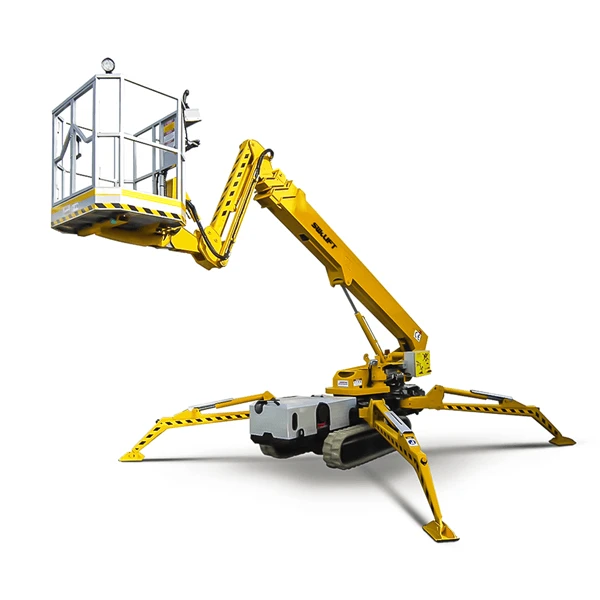
First off, what the heck is a spider lift? If you're new to the game, a spider lift is a type of aerial work platform. It's got these extendable arms and legs that look a bit like a spider, hence the name. They're super versatile and can be used in all sorts of jobs, like tree trimming, building maintenance, and even some film and TV setups.
We offer different types of spider lifts, such as the Towable Spider Lift, which is great for those who need to move the lift around easily. Then there's the Cherry Picker Spider Lift, which is perfect for reaching high places, just like a traditional cherry picker. And if you're looking for something easy to operate, check out our Easy Operation Spider Cherry Picker.
Now, back to the main question: can a spider lift be used in extreme weather conditions? The short answer is, it depends. Let's break it down by different types of extreme weather.
Extreme Heat
In really hot weather, say over 100°F (38°C), there are a few things to consider. First of all, the hydraulic systems in spider lifts are sensitive to temperature. High heat can cause the hydraulic fluid to overheat, which can lead to reduced performance or even damage to the system. To combat this, modern spider lifts are equipped with cooling systems. But if you're working in scorching heat for long periods, you might need to take breaks to let the machine cool down.
Another issue is the tires. In extreme heat, the rubber can soften and wear out faster. This can affect the stability of the lift. So, it's important to regularly check the tire pressure and the condition of the tires. If you notice any signs of excessive wear, it's best to replace them before using the lift again.
Extreme Cold
Cold weather can be just as challenging for spider lifts. When the temperature drops below freezing, the hydraulic fluid can thicken, making it harder for the lift to operate smoothly. Some spider lifts come with special cold-weather hydraulic fluids that are designed to work at lower temperatures. But if you don't have that option, you might need to warm up the machine before use. This can be done by running the engine and operating the lift's functions at a slow pace for a few minutes.
The batteries in spider lifts can also be affected by the cold. Cold temperatures can reduce the battery's capacity and its ability to hold a charge. To keep the batteries in good shape, it's a good idea to store them in a warm place when not in use and to use a battery charger with a temperature sensor.
High Winds
High winds are a major concern when it comes to using a spider lift. These machines are designed to be stable, but strong winds can make them top-heavy and increase the risk of tipping over. Most spider lifts have a maximum wind speed rating, which is usually around 20 - 25 mph (32 - 40 km/h). If the wind speed exceeds this rating, it's not safe to use the lift.
Before using a spider lift in windy conditions, you should always check the weather forecast. If you're already on the job and the wind starts to pick up, stop using the lift immediately and lower it to the ground. Make sure the outriggers are properly extended and secured to provide maximum stability.

Heavy Rain and Snow
Rain and snow can make the ground slippery, which can affect the stability of the spider lift. If the ground is soft or muddy, the lift's outriggers might sink, causing the machine to become unstable. To prevent this, you can use outrigger pads to distribute the weight of the lift more evenly.
In addition, water can get into the electrical components of the lift, which can cause short circuits and other problems. It's important to keep the electrical connections dry and to use waterproof covers if possible. If the lift gets wet, make sure to dry it off thoroughly before using it again.
Lightning
Lightning is a serious hazard when using a spider lift. These machines are tall and can attract lightning strikes. If there's a thunderstorm in the area, it's best to stop using the lift immediately and seek shelter. Do not stay near the lift or touch any metal parts.
Safety First
No matter what the weather conditions are, safety should always be your top priority when using a spider lift. Make sure you and your crew are properly trained to operate the machine. Follow all the manufacturer's instructions and safety guidelines. Regularly inspect the lift for any signs of damage or wear and tear.
If you're not sure whether it's safe to use a spider lift in a particular weather condition, it's always better to err on the side of caution and wait for the weather to improve. Remember, it's better to delay a job than to risk an accident.
Conclusion
So, can a spider lift be used in extreme weather conditions? It's possible, but it requires careful planning and precautions. By understanding the potential risks and taking the necessary steps to mitigate them, you can use a spider lift safely and effectively in a variety of weather conditions.
If you're in the market for a spider lift, we've got a great selection to choose from. Whether you need a towable spider lift, a cherry picker spider lift, or an easy operation spider cherry picker, we've got you covered. And if you have any questions about using our spider lifts in extreme weather conditions, don't hesitate to reach out. We're here to help you make the right choice for your needs.
If you're interested in purchasing a spider lift or want to learn more about our products, feel free to contact us for a chat. We're always happy to discuss your requirements and find the best solution for your business.
References
- Manufacturer's manuals for spider lifts
- Industry safety guidelines for aerial work platforms
- Research on the effects of extreme weather on machinery components