

Can a large spider crane be used for airport construction?
Airport construction is a complex and demanding undertaking that requires a wide range of heavy - duty equipment to ensure efficiency, safety, and precision. As a supplier of large spider cranes, I often get asked whether these unique machines can be effectively utilized in airport construction projects. In this blog, I will delve into the features of large spider cranes and analyze their applicability in airport construction.
Features of Large Spider Cranes
Large spider cranes are known for their distinctive design and a variety of features that set them apart from traditional cranes.
Firstly, their compact size and flexible maneuverability are remarkable. Unlike large tower cranes or mobile cranes that require a large footprint, spider cranes have a relatively small base when retracted. They can easily access confined spaces, which is crucial in airport construction where there may be numerous pre - existing structures, runways, and taxiways that limit the available working area. For example, when installing small - scale facilities such as lighting fixtures or signage in areas close to terminal buildings or near runway edges, a large spider crane can be maneuvered into position without causing significant disruption to airport operations.

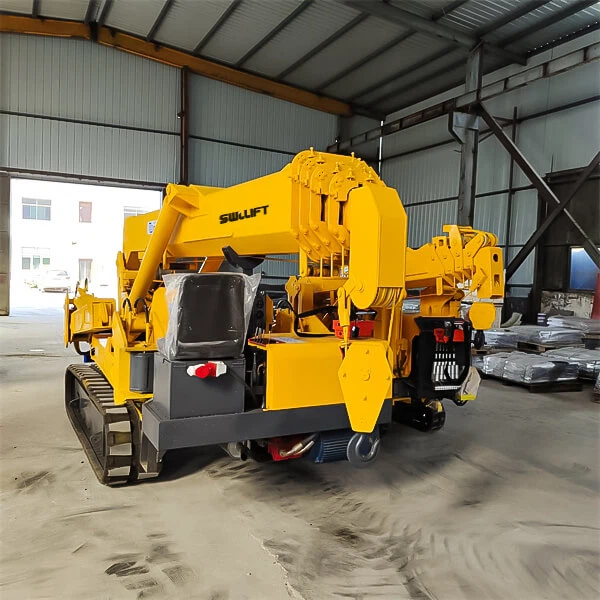
Secondly, spider cranes offer excellent lifting capacity. Our 10 Ton Spider Crane is capable of handling heavy loads, which is essential for tasks like lifting large pre - fabricated building components during the construction of terminal buildings. These components can include steel beams, large panels, and heavy machinery, and the high - lifting capacity of the spider crane ensures that the construction process can proceed smoothly.
In addition, the outrigger system of spider cranes provides exceptional stability. The multiple outriggers can be extended and adjusted to different lengths and angles, allowing the crane to be firmly supported on uneven or soft ground. In airport construction, the ground conditions can vary significantly, from hard - paved areas to areas with softer soil near drainage systems. The stability of the spider crane ensures safe lifting operations, reducing the risk of accidents and equipment damage.
Applications in Airport Construction
There are several key areas in airport construction where large spider cranes can be effectively employed.
Terminal Building Construction
Terminal buildings are the heart of an airport, and their construction involves a series of complex tasks. Large spider cranes can be used for the installation of steel structures. The ability to access tight spaces means that they can be positioned inside the building framework to lift and place steel beams accurately. For instance, in the construction of multi - story terminal buildings, the spider crane can be used to lift beams to upper floors without the need for large external access equipment.
Moreover, during the installation of interior fixtures and fittings, such as large - scale ventilation systems and escalators, spider cranes can be extremely useful. The precise control of the crane's movements allows for accurate positioning of these heavy and bulky items, ensuring that they are installed correctly the first time.
Runway and Taxiway Construction
While the primary construction of runways and taxiways involves heavy earth - moving equipment, spider cranes also have a role to play. For example, when installing runway lights and signage, the spider crane's maneuverability enables it to be positioned precisely along the edges of the runways. Our 5 Ton Spider Crane can lift the lighting fixtures and signage to the required height, ensuring proper illumination and clear guidance for aircraft.
In addition, during the maintenance and repair of runway and taxiway surfaces, spider cranes can be used to lift heavy repair equipment, such as large concrete slabs or asphalt - laying machines, into position.
Hangar Construction
Aircraft hangars need to be constructed to accommodate large aircraft, and this requires the lifting and installation of heavy structural components. Large spider cranes, with their high - lifting capacity and stability, are well - suited for this task. They can lift large trusses and panels to build the framework of the hangar quickly and efficiently. The ability to operate in confined spaces also means that the crane can work inside the hangar during the construction process, minimizing the impact on surrounding areas.
Advantages of Using Large Spider Cranes in Airport Construction
There are several advantages to using large spider cranes in airport construction projects.
Reduced Disruption
As mentioned earlier, the compact size and maneuverability of spider cranes mean that they can operate in areas with limited space without causing significant disruption to airport operations. In an active airport environment, minimizing disruption is crucial to ensure the safety and efficiency of air traffic. Unlike large mobile cranes that may require large areas for setup and movement, spider cranes can be quickly deployed and moved around the construction site, allowing other activities to continue unhindered.
Cost - Effectiveness
Spider cranes are relatively cost - effective compared to some other types of cranes. Their lower initial purchase price, combined with lower operating costs due to their smaller size and fuel - efficient engines, make them an attractive option for airport construction projects. In addition, the ability to perform multiple tasks with a single crane reduces the need for multiple pieces of equipment, further saving on costs.
Enhanced Safety
The stability provided by the outrigger system and the precise control of the crane's movements contribute to enhanced safety on the construction site. The risk of crane tipping or load dropping is significantly reduced, protecting both the workers and the surrounding infrastructure. In an airport environment, where safety is of the utmost importance, the use of large spider cranes can help ensure a safe construction process.
Considerations and Challenges
While large spider cranes have many advantages for airport construction, there are also some considerations and challenges.
Weather Conditions
Airport construction is often subject to various weather conditions. Strong winds, heavy rain, or snow can affect the performance of spider cranes. High winds can make it difficult to control the crane's movements and reduce its stability, especially when lifting heavy loads at high heights. Therefore, it is essential to monitor weather conditions closely and take appropriate safety measures, such as suspending operations during adverse weather.
Load Capacity Limitations
Although large spider cranes have a relatively high - lifting capacity, there may be some extremely heavy or oversized loads that exceed their capabilities. In such cases, it may be necessary to use other types of cranes in combination with spider cranes or to break the load into smaller, more manageable pieces.
Conclusion
In conclusion, large spider cranes can indeed be effectively used for airport construction. Their unique features, including compact size, high - lifting capacity, and excellent maneuverability, make them suitable for a wide range of tasks in terminal building construction, runway and taxiway construction, and hangar construction. The advantages of reduced disruption, cost - effectiveness, and enhanced safety further make them a valuable addition to any airport construction project.
If you are involved in an airport construction project and are considering the use of large spider cranes, I encourage you to contact us for more information. We can provide detailed specifications, pricing, and technical support to help you make an informed decision. Our team of experts is ready to assist you in selecting the most suitable spider crane for your specific needs. Whether you are looking for a 10 Ton Spider Crane, a Crawler Spider Crane, or a 5 Ton Spider Crane, we have the right solution for you.
References
- Construction Equipment Handbook, various editions
- Airport Construction Best Practices Guide, industry - specific publication
- Crane Safety Standards and Regulations, relevant national and international standards documents