

As a supplier of 12-ton spider cranes, I've often been asked whether these powerful machines can be effectively used for stadium construction. In this blog post, I'll delve into the capabilities of 12-ton spider cranes and explore their potential applications in the challenging environment of stadium building projects.
Understanding the 12-Ton Spider Crane
First, let's take a closer look at what a 12-ton spider crane is. These cranes are known for their unique design, characterized by a compact body and multiple outriggers that resemble a spider's legs. This design provides excellent stability, even on uneven or soft ground. The 12-ton capacity indicates the maximum weight the crane can lift, making it a substantial piece of equipment for heavy-duty tasks.
One of the key advantages of a 12-ton spider crane is its maneuverability. Unlike traditional cranes, which can be large and cumbersome, spider cranes can navigate through narrow spaces and tight corners. This is particularly useful in stadium construction, where there are often many obstacles and limited access points. For example, during the installation of internal structural components or the placement of equipment in confined areas, a 12-ton spider crane can easily reach the desired location.
Advantages of Using a 12-Ton Spider Crane in Stadium Construction
Versatility
Stadium construction involves a wide range of tasks, from lifting heavy steel beams to installing lighting fixtures and seating elements. A 12-ton spider crane can handle a variety of loads and tasks with ease. Its telescopic boom can be extended to different lengths, allowing it to reach various heights and distances. This versatility makes it suitable for multiple stages of the construction process, from the initial foundation work to the final finishing touches.
Stability
Stadiums are large structures that require precise and stable lifting operations. The 12-ton spider crane's outrigger system provides excellent stability, even when lifting heavy loads at significant heights. This stability is crucial for ensuring the safety of the workers and the integrity of the construction site. For instance, when lifting large pre - fabricated sections of the stadium roof, the spider crane's stable base prevents any unwanted swaying or tipping, reducing the risk of accidents.
Low Ground Pressure
Many stadium construction sites have delicate or sensitive ground surfaces, such as grass fields or newly poured concrete. The 12-ton spider crane is designed to distribute its weight evenly across its outriggers, resulting in low ground pressure. This means that it can operate on these surfaces without causing damage. For example, during the installation of temporary structures on a stadium's playing field, the spider crane can move around without leaving deep tracks or causing any structural damage to the ground.
Applications in Stadium Construction
Structural Steel Installation
The construction of a stadium's framework typically involves the installation of large steel beams and columns. A 12-ton spider crane can lift these heavy steel components into place with precision. Its ability to reach high heights and operate in confined spaces makes it ideal for this task. For example, in a multi - tiered stadium, the spider crane can be positioned on the lower levels and still lift the steel beams to the upper floors, ensuring a smooth and efficient installation process.
Seating and Fixture Installation
Stadiums require the installation of thousands of seats, as well as lighting, sound, and ventilation fixtures. The 12 - ton spider crane can be used to lift these relatively lighter components to the correct positions. Its maneuverability allows it to access different areas of the stadium, such as the stands and the concourses, making the installation process faster and more efficient.
Maintenance and Renovation
Even after the stadium is built, there may be a need for regular maintenance and occasional renovation projects. A 12 - ton spider crane can be used for these tasks as well. For example, if there is a need to replace a large section of the stadium's roofing or to repair a damaged structural element, the spider crane can be quickly mobilized to the site and used to carry out the necessary work.
Comparison with Other Types of Cranes
When considering the use of a 12 - ton spider crane in stadium construction, it's important to compare it with other types of cranes. Traditional tower cranes are often used in large construction projects, but they have some limitations. Tower cranes are large and require a significant amount of space for installation and operation. They are also more difficult to move once they are set up. In contrast, a 12 - ton spider crane can be easily transported to different locations on the stadium site and can start working quickly.
Another type of crane commonly used in construction is the crawler crane. Crawler Spider Crane offers good mobility and stability, but they may not be as maneuverable as spider cranes in tight spaces. The 12 - ton spider crane's compact design allows it to work in areas where crawler cranes may not be able to reach.
There are also smaller capacity spider cranes available, such as the 10 Ton Spider Crane and the 5 Ton Spider Crane. While these smaller cranes are suitable for lighter tasks, a 12 - ton spider crane provides a greater lifting capacity, which is often necessary for the heavy - duty tasks involved in stadium construction.
Considerations When Using a 12 - Ton Spider Crane in Stadium Construction
While a 12 - ton spider crane offers many advantages for stadium construction, there are also some considerations to keep in mind. One of the main factors is the crane's lifting radius. The maximum lifting capacity of the crane decreases as the boom is extended to greater lengths. Therefore, it's important to carefully plan the lifting operations to ensure that the crane is operating within its safe working limits.
Another consideration is the weather conditions. Strong winds and adverse weather can affect the stability and performance of the spider crane. It's essential to have a weather monitoring system in place and to follow safety protocols to avoid operating the crane in dangerous weather conditions.
Conclusion
In conclusion, a 12 - ton spider crane can be an excellent choice for stadium construction. Its versatility, stability, and maneuverability make it suitable for a wide range of tasks throughout the construction process, from the initial building stages to post - construction maintenance. While there are some considerations to keep in mind, the benefits of using a 12 - ton spider crane far outweigh the potential challenges.
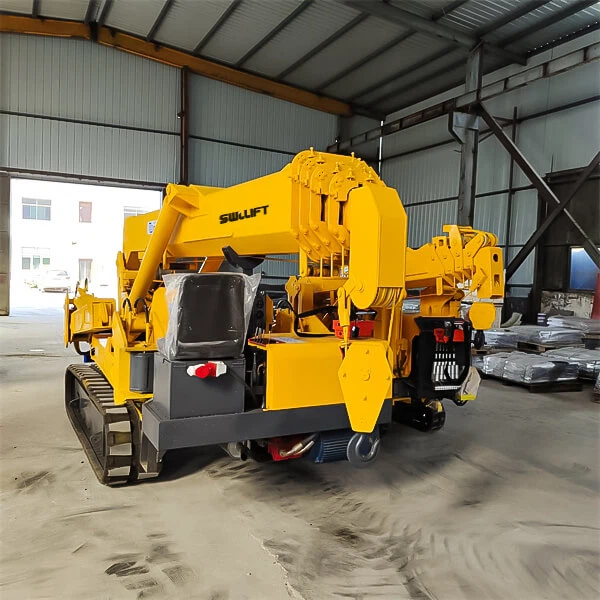

If you're involved in a stadium construction project and are considering the use of a 12 - ton spider crane, I encourage you to reach out to discuss your specific requirements. Our team of experts can provide you with detailed information about our products and help you determine if a 12 - ton spider crane is the right solution for your project.
References
- Construction Equipment Handbook. McGraw - Hill Professional.
- Crane Safety Standards and Guidelines. Occupational Safety and Health Administration (OSHA).
- Case Studies in Stadium Construction. Construction Industry Institute.