

As a supplier of 10-ton spider cranes, I often get asked whether our equipment can be used for high-rise building facade installation. This is a crucial question for construction companies and contractors who are looking for the right machinery to handle the complex and demanding tasks associated with high-rise facade work. In this blog post, I'll delve into the capabilities of a 10-ton spider crane in the context of high-rise building facade installation, exploring its advantages, limitations, and considerations.
Understanding the 10-Ton Spider Crane
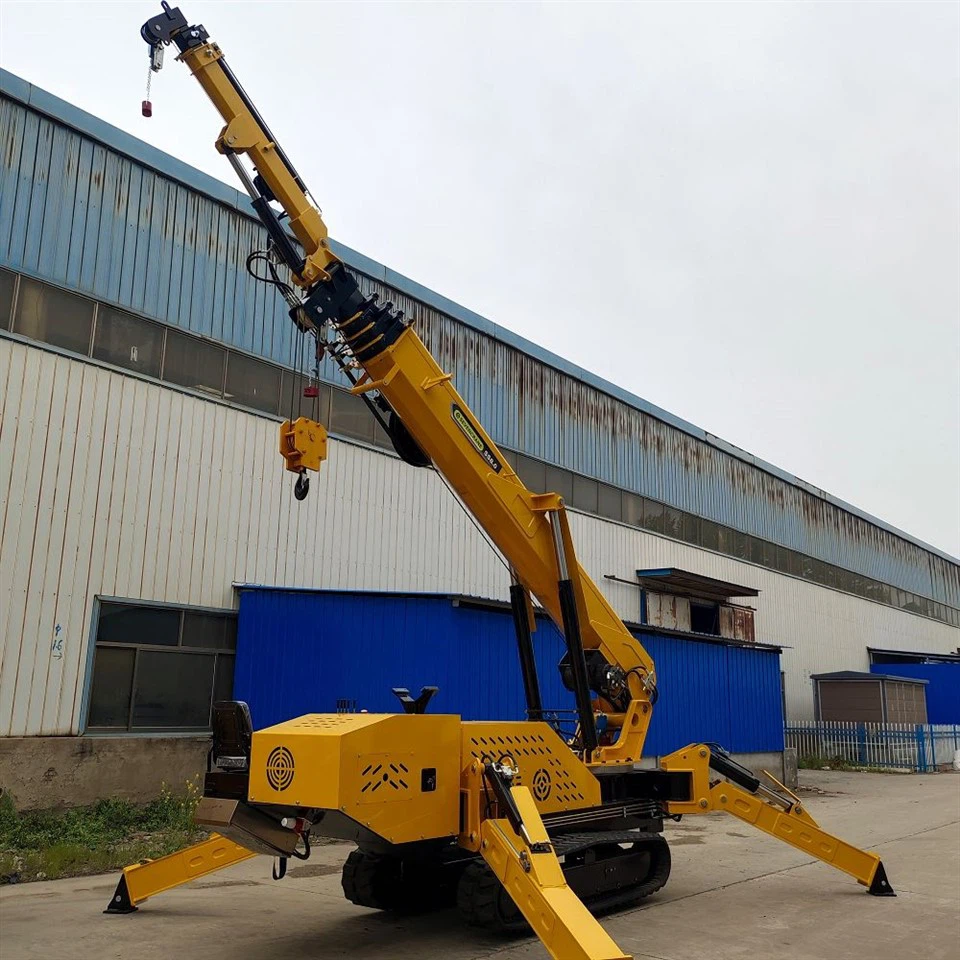
Before we discuss its application in high-rise facade installation, let's first understand what a 10-ton spider crane is. A spider crane is a compact, versatile lifting machine with extendable outriggers that resemble a spider's legs. These outriggers provide stability and allow the crane to operate on uneven or confined surfaces. A 10-ton spider crane, as the name suggests, has a lifting capacity of up to 10 tons, making it suitable for handling relatively heavy loads.
One of the key features of a 10-ton spider crane is its mobility. It can be easily transported to different job sites and set up quickly, thanks to its compact design and hydraulic systems. This makes it an attractive option for construction projects where time is of the essence. Additionally, spider cranes are known for their precision and control, which are essential for tasks such as facade installation.

Advantages of Using a 10-Ton Spider Crane for High-Rise Facade Installation
1. Maneuverability in Confined Spaces
High-rise building sites often have limited space, especially during the facade installation phase. Traditional cranes may not be able to access certain areas due to their large size. A 10-ton spider crane, on the other hand, can navigate through narrow passages and tight corners with ease. Its compact design allows it to be positioned close to the building, reducing the need for long-reach operations and minimizing the risk of collisions with other structures.
2. High Lifting Capacity
Facade installation typically involves lifting heavy panels, glass units, and other building materials to significant heights. A 10-ton spider crane provides sufficient lifting capacity to handle these loads safely and efficiently. This means that construction teams can complete the installation process more quickly, reducing project timelines and costs.
3. Precise Load Placement
Precision is crucial when installing building facades. A 10-ton spider crane offers excellent control over the lifting and positioning of loads, allowing for accurate placement of facade elements. This helps to ensure a high-quality finish and reduces the need for rework, saving both time and money.
4. Stability on Uneven Surfaces
Many high-rise construction sites have uneven or sloping ground. The extendable outriggers of a 10-ton spider crane can be adjusted to provide a stable base on these surfaces. This stability is essential for safe and efficient operation, especially when lifting heavy loads at height.
Limitations and Considerations
1. Reach and Height Limitations
While a 10-ton spider crane has a decent lifting capacity, its reach and height may be limited compared to larger, more specialized cranes. For very tall buildings or facades with complex geometries, additional equipment or alternative lifting methods may be required. It's important to carefully assess the project requirements and consult with a crane expert to determine if a 10-ton spider crane is suitable.
2. Weather Conditions
Weather conditions can have a significant impact on the performance of a 10-ton spider crane. High winds, heavy rain, or extreme temperatures can affect the stability and operation of the crane. Construction teams need to monitor the weather forecast and take appropriate precautions to ensure the safety of the equipment and personnel.
3. Cost
Investing in a 10-ton spider crane can be expensive, especially for smaller construction companies. In addition to the purchase price, there are also ongoing costs associated with maintenance, training, and insurance. However, for larger projects or companies that frequently undertake high-rise facade installation work, the long-term benefits may outweigh the initial investment.
Case Studies and Real-World Applications
To illustrate the effectiveness of a 10-ton spider crane in high-rise facade installation, let's look at a few real-world examples.
In a recent project in a major city, a construction company was tasked with installing a glass facade on a 30-story building. The site had limited access due to nearby buildings and a busy street. By using a 10-ton spider crane, the construction team was able to navigate through the narrow alleyways and position the crane close to the building. The crane's high lifting capacity and precise control allowed for the safe and efficient installation of the glass panels, completing the project ahead of schedule.
Another example involved the installation of a metal facade on a high-rise office building. The building had a sloping roof and uneven ground, which presented a challenge for traditional cranes. The 10-ton spider crane's extendable outriggers were adjusted to provide a stable base on the uneven surface, allowing for the safe lifting and placement of the metal panels. The project was completed with minimal disruption to the surrounding area.
Alternative Options
If a 10-ton spider crane is not suitable for your high-rise facade installation project, there are other options available. For smaller projects or where space is extremely limited, a 5 Ton Spider Crane may be a more appropriate choice. These cranes have a lower lifting capacity but offer greater maneuverability in tight spaces.
For projects that require greater reach and height, a Mobile Spider Crane or a larger, more specialized crane may be necessary. These cranes can provide the additional lifting power and reach needed to handle complex facade installations.
If you need a crane for occasional use or for a short-term project, you may also consider renting a Small Spider Crane. Renting can be a cost-effective option, allowing you to access the equipment you need without the upfront investment.
Conclusion
In conclusion, a 10-ton spider crane can be a valuable asset for high-rise building facade installation. Its maneuverability, high lifting capacity, precise load placement, and stability on uneven surfaces make it a suitable choice for many construction projects. However, it's important to carefully consider the project requirements, limitations, and alternative options before making a decision.
If you're interested in learning more about our 10-ton spider cranes or discussing your high-rise facade installation needs, please don't hesitate to contact us. Our team of experts is available to provide you with detailed information and guidance to help you make the right choice for your project.
References
- Construction Equipment Handbook.
- Crane Safety Guidelines by Industry Standards.
- Case Studies from Leading Construction Firms.