

What is the operator training required for an 8 ton spider crane?
As a supplier of 8 ton spider cranes, I understand the critical importance of proper operator training. An 8 ton spider crane is a powerful and versatile piece of equipment, but it also comes with significant risks if not operated correctly. In this blog post, I will delve into the essential aspects of operator training for an 8 ton spider crane.
Understanding the Basics of an 8 Ton Spider Crane
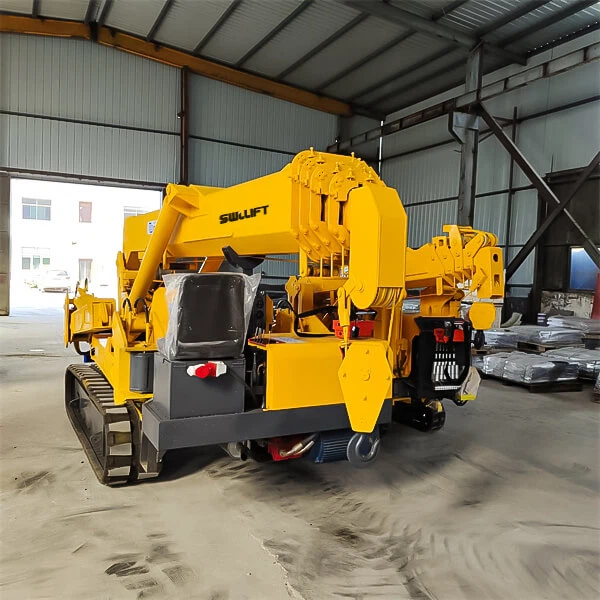
Before delving into the training requirements, it's crucial to have a basic understanding of what an 8 ton spider crane is. An 8 ton spider crane is a type of mobile crane that features extendable outriggers, resembling a spider's legs. These outriggers provide stability and allow the crane to operate on uneven or soft surfaces. The crane is capable of lifting up to 8 tons, making it suitable for a wide range of applications, including construction, maintenance, and industrial projects.
Pre - Training Assessment
The first step in the operator training process is a pre - training assessment. This assessment helps to determine the operator's existing knowledge and skills. It may include a written test on basic crane concepts, such as load capacity, stability, and safety regulations. A practical assessment can also be conducted to evaluate the operator's physical ability to handle the controls of the crane. For example, the operator should be able to demonstrate good hand - eye coordination and the ability to move the crane's controls smoothly.

Theoretical Training
Theoretical training forms the foundation of an operator's knowledge about the 8 ton spider crane.
- Crane Components and Functionality
- Operators need to be familiar with all the components of the 8 ton spider crane. This includes the boom, jib, outriggers, hoist, and control systems. They should understand how each component works and how they interact with each other. For instance, the boom is the main lifting arm of the crane, and its length and angle affect the crane's lifting capacity. The jib is an additional extension that can be attached to the boom to increase the reach.
- Load Capacity and Calculation
- Understanding load capacity is of utmost importance. Operators must learn how to calculate the safe load capacity of the crane based on factors such as the boom length, angle, and the position of the load. Overloading the crane can lead to structural failure and accidents. Training should include practical examples and exercises on load capacity calculations.
- Safety Regulations and Standards
- Operators need to be well - versed in local and international safety regulations regarding crane operation. This includes regulations on crane inspections, maintenance, and operator certification. For example, in many countries, cranes must undergo regular inspections to ensure their safety. Operators should also be aware of the safety standards for personal protective equipment (PPE), such as hard hats, safety glasses, and harnesses.
Practical Training
Practical training is where operators get hands - on experience with the 8 ton spider crane.
- Crane Setup and Dismantling
- Operators must learn how to properly set up the crane on the job site. This includes extending the outriggers to ensure stability, leveling the crane, and attaching any necessary accessories. They also need to know how to dismantle the crane safely after the job is done. Incorrect setup or dismantling can lead to the crane tipping over or other accidents.
- Lifting and Moving Loads
- The core of the practical training is learning how to lift and move loads safely. Operators should practice lifting different types of loads, varying in weight and size. They need to learn how to position the load correctly on the hook, how to control the speed of the lift, and how to move the load smoothly through the air. Training should also cover how to handle unexpected situations, such as a load swinging or shifting during the lift.
- Maneuvering the Crane
- Operators need to be proficient in maneuvering the 8 ton spider crane around the job site. This includes driving the crane to the desired location, turning it, and positioning it for the lift. They should be able to operate the crane in confined spaces and around obstacles.
Ongoing Training and Refresher Courses
Operator training is not a one - time event. Ongoing training and refresher courses are essential to keep operators up - to - date with the latest safety regulations, technological advancements, and best practices. These courses can be held annually or bi - annually. They can also be triggered by changes in the crane's design or operating procedures.
Related Equipment Training
In addition to the 8 ton spider crane, operators may also benefit from training on related equipment. For example, if they are likely to work with other types of cranes on different job sites, they can take training on 5 Ton Spider Crane or 10 Ton Spider Crane. Training on High Quality Mini Tracked Crane can also be useful as it may share some common operating principles with the 8 ton spider crane.
Certification
Upon successful completion of the training program, operators should obtain a relevant certification. This certification is proof that they have the necessary knowledge and skills to operate the 8 ton spider crane safely. Certification requirements may vary from country to country, but generally, they involve passing both written and practical exams.
Conclusion
Proper operator training is essential for the safe and efficient operation of an 8 ton spider crane. As a supplier, I strongly encourage all our customers to ensure that their operators receive comprehensive training. If you are interested in purchasing an 8 ton spider crane or have any questions about operator training, please feel free to contact us for further discussion and procurement opportunities.
References
- "Crane Operator Training Manual", Industry Safety Institute
- "Safety Standards for Mobile Cranes", International Crane Manufacturers Association
- "Load Capacity Calculation Guidelines", National Crane Operators Association